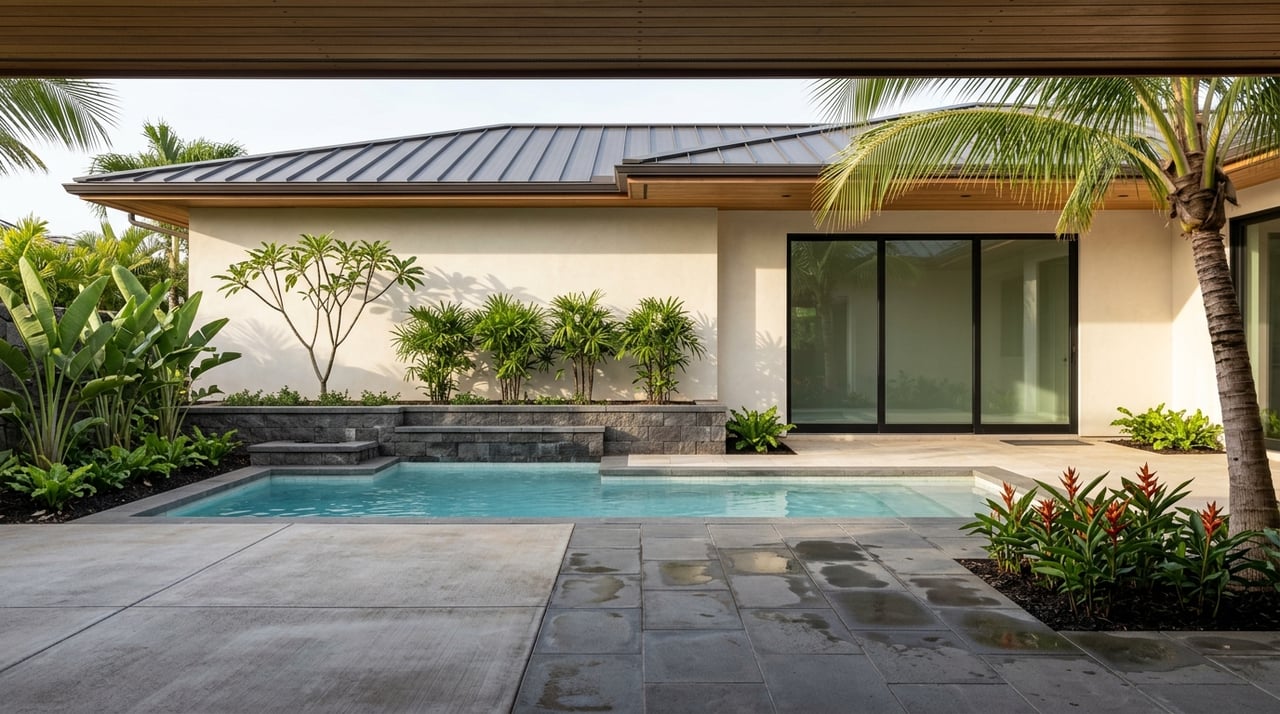
Choosing the right part of Hawaii Kai can shape your day-to-day life as much as the home itself. If you are trying to decide between marina access, quieter hillside streets, or bigger ridge views, it is easy to feel pulled in several directions at once. This guide will help you compare Hawaii Kai’s main lifestyle pockets so you can focus on what fits your routine, priorities, and comfort with upkeep. Let’s dive in.
Hawaii Kai at a Glance
Hawaii Kai is one official Honolulu neighborhood board district, but buyers usually talk about it in smaller pockets. For home search purposes, the clearest way to understand the area is through four lifestyle buckets: marina-front, golf-course, hillside or valley, and ridge living.
That framework matters because two homes with the same Hawaii Kai address can feel very different. One may be built around boating and dock access, while another may offer a more land-focused setting with broader streets, elevation, or valley views.
Marina-Front Living
If your dream is to keep the water close to your everyday routine, marina-front living is usually the first place to look. The Hawaii Kai Marina is a private inland water body that serves waterfront residences and commercial properties and provides boat access to Maunalua Bay.
For many buyers, this is the most lifestyle-specific option in Hawaii Kai. It tends to appeal to people who want boating, paddling, dock access, and a waterfront setting that feels active and connected to the marina.
What homes look like
Marina-front housing includes a mix of older single-family waterfront homes and condo or townhome communities. West Marina is known for mostly early-1960s homes on narrower streets with direct canal or marina access.
Nearby marina-front condo communities include projects such as Hale Ka Lae, Moana Kai, Nanea Kai, Peninsula at Hawaii Kai, and Kalele Kai. That mix gives buyers a wider range of price points, maintenance styles, and ownership setups compared with a single neighborhood type.
What to expect day to day
Living on or near the marina can be rewarding, but it also comes with extra rules and responsibilities. The Hawaii Kai Marina Community Association requires vessel registration, marina decals, and proof of liability insurance for registered power vessels.
There are also operating rules that affect everyday use. These include slow or no-wake operation in much of the marina, approval requirements for floating docks, and rules around nighttime boating, fuel handling, and dock materials.
Marina trade-offs to weigh
The biggest benefit is obvious: easy access to a water-centered lifestyle. The trade-off is that you should be ready for more due diligence than you might expect from a standard inland property.
The marina association says it routinely samples water quality, notes that runoff and heavy rain can affect conditions, and states that regular maintenance dredging is needed because the marina acts as a sediment catch basin for the surrounding watershed. If you are considering marina-front property, review the rules, dock condition, water-quality history, and ongoing upkeep before you commit.
Golf-Course Pockets
If you like open outlooks and a quieter residential feel without the marina’s boat-related obligations, golf-course living may be a better fit. Hawaii Kai’s golf-course pocket centers around the Hawaii Kai Golf Course and Kealahou Street area.
Key golf-course communities often mentioned by local buyers include Koko Villas, Laulima, and Queen’s Gate. These areas offer a more land-oriented lifestyle while still delivering a strong sense of place within Hawaii Kai.
What homes look like
Housing in these pockets is mostly single-family or cluster-home product. Laulima is described as a zero-lot-line cluster-home development completed in 1988, Koko Villas is a newer 2000s subdivision of three- and four-bedroom homes, and Queen’s Gate is a gated community with golf-course frontage and shared community amenities.
This housing style often appeals to buyers who want a defined residential setting with some structure around exterior appearance and shared standards. It can also be a practical option if you want a single-family feel without waterfront-specific upkeep.
What the lifestyle feels like
Compared with marina-front homes, golf-course pockets are usually less water-focused and more grounded in fairway views, neighborhood streets, and green open space. Some homes may have limited ocean horizon views in stronger positions, but the value here is often tied more to fairway frontage than to elevation.
These areas are described as comparatively low-elevation and fairly flat. That makes them feel different from ridge neighborhoods, where the topography plays a much bigger role in both views and maintenance.
Key buyer checks
The maintenance conversation in golf-course communities often shifts toward HOA rules, exterior standards, and landscape expectations. In gated or cluster-home settings like Queen’s Gate and Laulima, it is smart to ask about dues, CC&Rs, and any community-specific requirements before you make an offer.
Hillside and Valley Homes
Hillside and valley neighborhoods often appeal to buyers who want more privacy, more of a traditional residential feel, and less emphasis on direct water access. In Hawaii Kai, this category can include Upper and Lower Hahaione, Mariners Valley, Kamilo Nui, Koko Head Terrace, and some lower-slope homes near Koko Head.
These are the areas where Hawaii Kai can feel more varied from street to street. Lot size, slope, orientation, and road layout can all change the living experience in a meaningful way.
What homes look like
Local guides describe Upper Hahaione as a quiet suburban area with large, spacious homes. Mariners Valley is known for wide-road single-family housing, while Koko Head Terrace is a terraced neighborhood at the base of Koko Head.
Many homes in these areas trade direct marina access for a stronger sense of privacy and land. Some may have peek-a-boo marina or ocean views, but many are oriented more toward valley, hillside, or ridge surroundings.
Why buyers choose this category
For many people, hillside and valley homes hit a practical middle ground. You may avoid the marina’s dock and vessel rules while also stepping away from the steepest ridge conditions.
That does not mean the due diligence disappears. It just changes. Here, topography and drainage can matter as much as floor plan and finishes.
Site conditions matter here
The City and County of Honolulu’s hazard planning notes that saturated soils on steep slopes can fail and cause landslides. It also warns that low-lying coastal areas, poor-drainage areas, and places projected to be affected by sea-level rise are more flood-prone.
For hillside and valley buyers, that means you should ask direct questions about drainage, retaining walls, runoff, and any slope-related history. A beautiful lot can still require careful review if water movement or site stability has been an issue.
Ridge Living
If your top priority is view, ridge living is usually where Hawaii Kai stands out the most. The ridge neighborhoods buyers most often focus on are Mariners Ridge, Kamehame Ridge, and Napali Haweo.
These areas are known for broad outlooks that can include the marina, ocean, Koko Head, and sunset views. For many buyers, that scenery is the main draw and the reason ridge homes stay in high demand.
How the ridge areas differ
Mariners Ridge sits atop the ridge east of Hahaione Valley. Kamehame Ridge is the older ridge area below Napali Haweo, and Napali Haweo is the newer luxury ridge development.
The housing stock also varies by era. Mariners Ridge is largely a 1970s and early-1980s neighborhood, Kamehame Ridge was primarily developed in the 1980s, and Napali Haweo includes mostly 1990s and 2000s homes with larger lots.
The ridge trade-offs
The payoff is the view premium. The trade-offs are more topography, more driving, and less direct connection to the marina lifestyle.
Mariners Ridge, for example, is accessed by a single primary entry road off Hawaii Kai Drive. That is a useful reminder that ridge living can be more car-dependent than flatter parts of Hawaii Kai.
Maintenance and exposure
Because ridge homes sit on elevated and sometimes steep sites, the maintenance profile tends to be more terrain- and exposure-related. Buyers should pay close attention to drainage, roof and exterior condition, landscaping, and any slope-related maintenance history.
This is especially important because the City’s hazard planning warns about steep-slope saturation and landslide risk. In ridge neighborhoods, the site itself is a major part of the home’s overall condition story.
How to Choose the Right Pocket
The best part of Hawaii Kai for you depends less on the neighborhood label and more on how you want to live. A buyer who loves paddling and boating may be happiest on the marina, while a buyer who wants broad views may gladly accept a steeper lot and longer drive home.
A simple way to narrow your search is to rank these four priorities:
- Daily lifestyle and routine
- View preference
- Maintenance tolerance
- Access and driving convenience
If boating and dock access are central, focus on marina-front homes. If you want green outlooks and less water-specific upkeep, golf-course communities may fit better. If you want a more traditional residential setting, look closely at hillside and valley neighborhoods. If sweeping panoramas are the goal, ridge homes deserve a serious look.
Smart Due Diligence in Hawaii Kai
No matter which pocket you prefer, Hawaii Kai buyers should dig into address-specific details before moving forward. General neighborhood reputation is helpful, but property-level facts matter more.
Here are some of the most important checks to make:
- Check flood risk by specific address or TMK using Hawaii’s flood mapping tools and official flood maps.
- For marina-front homes, review marina rules, vessel requirements, dock permissions, and any water-quality or dredging history.
- For golf-course or cluster-home properties, ask about HOA dues, CC&Rs, exterior maintenance standards, and gate access.
- For hillside and ridge homes, ask about drainage, retaining walls, slope history, and how access or parking works on the street.
That kind of local, property-by-property review can help you avoid surprises and buy with more confidence.
Hawaii Kai offers more variety than many buyers expect. Whether you are drawn to marina living, fairway frontage, quieter valley streets, or dramatic ridge views, the right match usually comes down to balancing scenery, convenience, and upkeep in a way that supports your lifestyle.
If you want help comparing Hawaii Kai micro-neighborhoods and narrowing the search to homes that fit your priorities, Hokua Hawaii Realty, LLC offers personalized, owner-led guidance across Oahu with the local insight buyers need.
FAQs
What is the difference between marina-front and ridge living in Hawaii Kai?
- Marina-front living centers on boating, paddling, dock access, and marina rules, while ridge living is more focused on panoramic views, elevation, and terrain-related upkeep.
What should buyers check before purchasing a marina-front home in Hawaii Kai?
- Buyers should review Hawaii Kai Marina Community Association rules, vessel registration requirements, liability insurance minimums for registered power vessels, dock permissions, and any available water-quality or dredging history.
What are the main golf-course neighborhoods in Hawaii Kai for homebuyers?
- Common golf-course pockets include Koko Villas, Laulima, and Queen’s Gate, each offering a more land-oriented residential setting near the Hawaii Kai Golf Course.
Why do hillside and valley homes in Hawaii Kai need extra site review?
- Hillside and valley homes can involve drainage, runoff, retaining walls, and slope stability concerns, so buyers should evaluate lot topography as carefully as the home itself.
How can you check flood risk for a Hawaii Kai property?
- Flood risk should be checked by the specific property address or TMK using Hawaii flood mapping tools and official flood maps rather than assumed from the neighborhood name alone.
Which Hawaii Kai neighborhoods are known for strong views?
- Mariners Ridge, Kamehame Ridge, and Napali Haweo are the ridge areas most often associated with wide views of the marina, ocean, Koko Head, and sunsets.