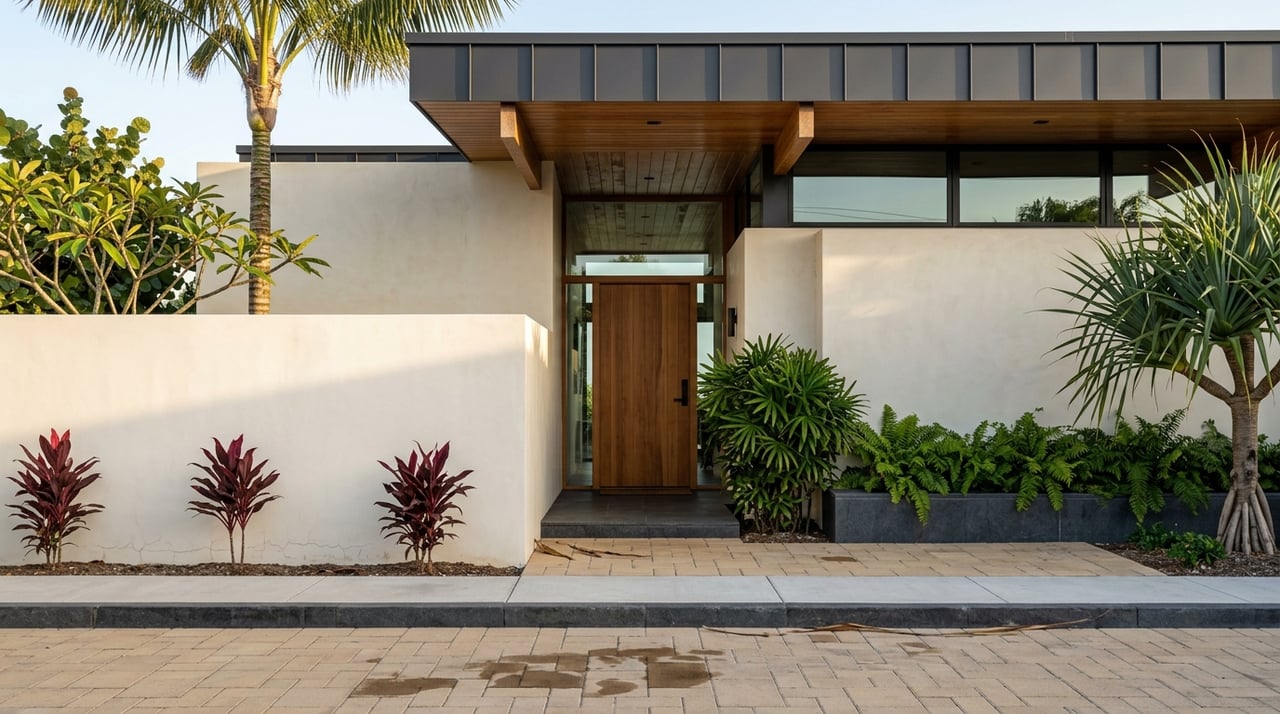
Wondering whether Kailua beachside living or a more in-town location fits you better? It is a smart question, especially if you love the idea of Kailua’s coastal lifestyle but also want a home that works well for everyday routines. The good news is that both options offer access to one of Oahu’s most sought-after markets, and the right choice usually comes down to how you want to live day to day. Let’s dive in.
Kailua Living Starts With Lifestyle
Kailua is not really a choice between dense city living and suburban life. Based on Honolulu planning documents, Kailua is better understood as a coastal, suburban-style Windward community with a town center rather than an urban core.
That makes this decision more specific for homebuyers. In most cases, you are choosing between living closer to the beach and shoreline access or living closer to Kailua’s town-center conveniences.
Beachside Kailua: What It Feels Like
If your ideal morning starts with a shoreline walk, paddling, or easy access to the sand, beachside Kailua may feel like the obvious fit. This part of Kailua offers the most immersive coastal lifestyle, with daily routines shaped by proximity to the ocean.
That lifestyle comes with tradeoffs. The City’s Lanikai Transportation Management Plan notes that Lanikai Beach has no public parking lots, and beach access points may lack amenities like restrooms, parking, and shelter.
For you as a buyer, that means beachside convenience is often about being close enough to walk rather than expecting full-service public infrastructure. It also means guests, deliveries, and service providers may need a little more planning.
Parking Can Be a Real Factor
Parking is one of the clearest differences between beachside and in-town living. City documents note that peak-demand days can bring severe illegal parking pressure in Kailua and Lanikai, and parking restrictions have been imposed in some nearby areas, including Makaliʻi Place near Kailua Beach Park.
If you are considering a beachside home, think beyond your own car. You will want to consider guest parking, vendor access, and how easy it is for people to reach the property on busy beach days.
Public Use Shapes the Environment
Living near the shoreline also means living near a well-used public resource. Kailua Beach Park remains an active coastal area, and the City reports that dune restoration has been underway along part of the shoreline because of significant erosion.
This does not make beachside living less appealing. It simply means your surroundings may involve more public activity, more shoreline management, and more visible coastal change than homes farther inland.
In-Town Kailua: What It Feels Like
If you want a home base that makes errands and daily logistics easier, in-town Kailua may be the stronger match. This part of Kailua is generally better positioned for routine stops, shopping, and getting around without every outing revolving around beach traffic or access.
The City operates the Kailua municipal parking lot and garage, and Honolulu’s Complete Streets manual identifies Kailua Road as a Main Street in a commercial town-center setting. For many buyers, that translates into a more practical daily rhythm.
In-town Kailua is still not urban in the Honolulu high-rise sense. It remains a neighborhood-scaled, low-rise community, but it often feels more convenient for the basics of everyday life.
Everyday Convenience Matters
For some buyers, the best home is not the one closest to the water. It is the one that makes coffee runs, quick errands, and guest visits feel easier.
That is where in-town Kailua often stands out. Compared with the beach end of Kailua, it generally offers a better balance of parking, access to shops, and day-to-day function.
Homeownership Differences to Know
Location in Kailua affects more than lifestyle. It can also affect what you need to think about as a homeowner, especially when you compare coastal lots with homes set farther inland.
Beachside homes often involve more regulation, more exposure to the elements, and more long-term maintenance planning. In-town homes still require Hawaii-specific upkeep, but they are generally less affected by the immediate realities of shoreline conditions.
Coastal Rules Near the Shore
Honolulu’s shoreline setback ordinance generally places the setback line 60 feet mauka from the certified shoreline in many areas, with site-specific variations tied to erosion data and planning area. For you, that means beach-adjacent property can come with more constraints tied to setbacks, permits, and future shoreline changes.
The City’s flood hazard planning also notes that new structures in special flood hazard areas must meet a higher base-flood-elevation standard. If you are buying close to the shoreline, these rules deserve careful attention during your home search.
Tsunami Planning Is Part of Kailua Ownership
The City’s 2025 hazard plan says the entire coast of Oahu is vulnerable in a tsunami and that almost all of Kailua is in the extreme tsunami evacuation zone. That does not mean a Kailua home is automatically a poor choice.
It does mean you should understand evacuation planning and access routes before you buy. This is especially important if you are relocating from outside Hawaii and are still learning how coastal risk is managed here.
Beachside Maintenance Usually Means More Upkeep
Ocean-adjacent homes tend to face more environmental wear. NOAA notes that salt spray frequently corrodes building materials in coastal environments.
University of Hawaii CTAHR guidance also points to Hawaii-specific maintenance issues such as termite risk, moisture, eave-board decay, clogged gutters, and rapid oxidation of iron water pipes, with coastal locations needing extra attention. In practical terms, beachside ownership often means more frequent exterior inspections and more focus on drainage, metal components, moisture control, and pest management.
In-Town Maintenance Is Different
In-town Kailua homes are still in Hawaii, so humidity, termites, and routine upkeep remain part of ownership. But compared with shoreline properties, in-town homes are generally less exposed to salt spray, beach erosion, and shoreline setback pressure.
For some buyers, that difference matters just as much as walkability to the beach. Lower exposure can translate into a simpler ownership experience over time.
Cost Context for Both Options
No matter which side of Kailua you prefer, you are still shopping in a premium market. The U.S. Census Bureau reports a median owner-occupied home value of $1,353,700 in the Kailua CDP, with a median household income of $148,582.
That data does not split beachside from in-town values. It does show that this is a high-value coastal housing market overall, so your decision is usually about lifestyle fit and ownership priorities rather than choosing between a budget option and a luxury option.
Which Kailua Option Fits You Best?
If you are deciding between beachside and in-town Kailua, it helps to picture your real weekly routine rather than your ideal vacation day. The best location for you depends on what you will value most once the move is complete.
Beachside May Fit You Best If
- You want easy daily access to the beach and shoreline activities.
- You enjoy a more immersive coastal setting.
- You are comfortable planning around parking, guest access, and visitor activity.
- You are prepared for more coastal maintenance and regulation.
In-Town May Fit You Best If
- You want easier access to shops and routine errands.
- You value simpler parking for yourself and guests.
- You want Kailua’s lifestyle with less day-to-day friction.
- You prefer a home environment that is generally less exposed to immediate shoreline conditions.
A Smart Way to Make the Choice
One of the best ways to compare these two parts of Kailua is to think about convenience in two forms. Beachside convenience means easier access to sand and shoreline routines. In-town convenience means easier access to daily errands, parking, and practical logistics.
Neither is better for everyone. The right answer comes from matching your home search to your habits, priorities, and comfort level with the realities of coastal ownership.
If you are weighing homes in Kailua, local guidance can help you look beyond listing photos and focus on how each area will actually feel to live in. For personalized insight on Kailua’s micro-markets and a thoughtful, owner-led approach to your move, connect with Hokua Hawaii Realty, LLC.
FAQs
What is the main difference between beachside and in-town Kailua for homebuyers?
- Beachside Kailua is generally better for immediate shoreline access and a more coastal daily routine, while in-town Kailua is usually better for errands, parking, and everyday convenience.
Does beachside Kailua have public parking near the beach?
- City planning documents state that Lanikai Beach has no public parking lots, and some access points lack amenities like parking, restrooms, and shelter.
Is in-town Kailua considered urban living?
- No. Planning documents describe Kailua as a coastal, suburban-style Windward community, and in-town Kailua is still a low-rise, neighborhood-scaled setting rather than a dense urban core.
Do beachside Kailua homes require more maintenance?
- In many cases, yes. Coastal exposure can increase corrosion, moisture issues, and wear on building materials, so beachside homes often need more frequent upkeep and inspection.
Are there coastal regulations that affect beachside Kailua properties?
- Yes. Shoreline setback rules, flood hazard standards, and changing shoreline conditions can affect how some beach-adjacent properties are used, improved, or maintained.
Is tsunami planning relevant when buying a home in Kailua?
- Yes. The City’s hazard plan says almost all of Kailua is in the extreme tsunami evacuation zone, so buyers should understand evacuation routes and emergency planning as part of due diligence.
Is Kailua considered a high-value housing market?
- Yes. Census data reports a median owner-occupied home value of $1,353,700 in the Kailua CDP, which reflects Kailua’s position as a premium coastal housing market.