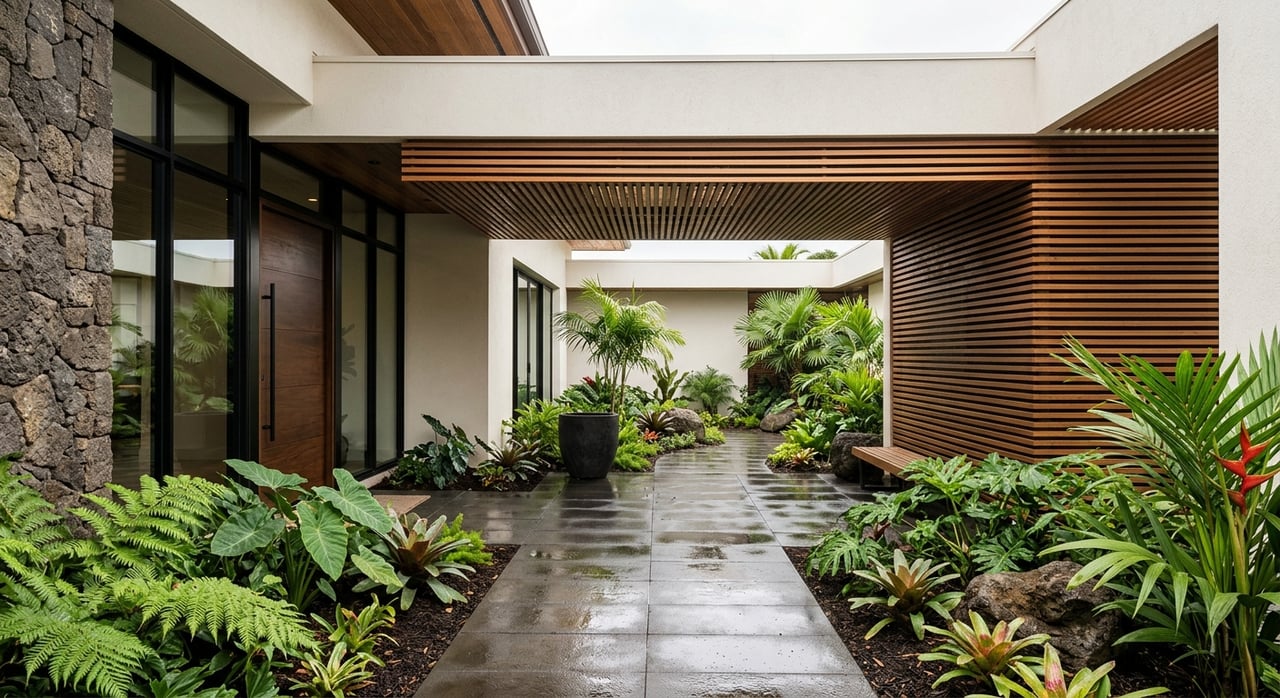
If you are looking for an Oʻahu neighborhood that balances daily convenience with a strong connection to the outdoors, Kāneʻohe deserves a close look. This windward community offers bay access, mountain backdrops, and a residential feel that appeals to buyers who want more than just a pretty view. In this guide, you’ll get a practical look at what living in Kāneʻohe can feel like, from housing and climate to recreation and everyday errands. Let’s dive in.
Why Kāneʻohe Stands Out
Kāneʻohe sits on Oʻahu’s windward side between Kāneʻohe Bay and the Koʻolau range. That setting shapes nearly everything about daily life here, from the scenery outside your window to the kinds of activities that fit naturally into your routine.
The area feels grounded in both land and water. With the bay on one side and the foothills on the other, Kāneʻohe offers a location that feels distinctly residential while still being tied to some of the island’s most recognizable natural features.
Climate in Kāneʻohe
If you have spent time in urban Honolulu, you may notice Kāneʻohe feels a bit different. NOAA climate normals for Kāneʻohe Bay MCAS show an average annual temperature of 76.6°F and annual precipitation of 27.82 inches.
By comparison, Honolulu International Airport averages 78.0°F and 16.41 inches of precipitation. In simple terms, Kāneʻohe is slightly cooler and clearly wetter than urban Honolulu, which helps explain its greener windward setting.
A Residential Community Feel
For many buyers, one of Kāneʻohe’s biggest strengths is its stable residential profile. Census data shows 76.4% owner-occupied housing, 11,545 households, and an average of 3.07 people per household.
The same data also shows 90.8% of residents lived in the same house one year earlier. That suggests a community where many people put down roots rather than treating the area as a short-term stop.
What Homes Look Like Here
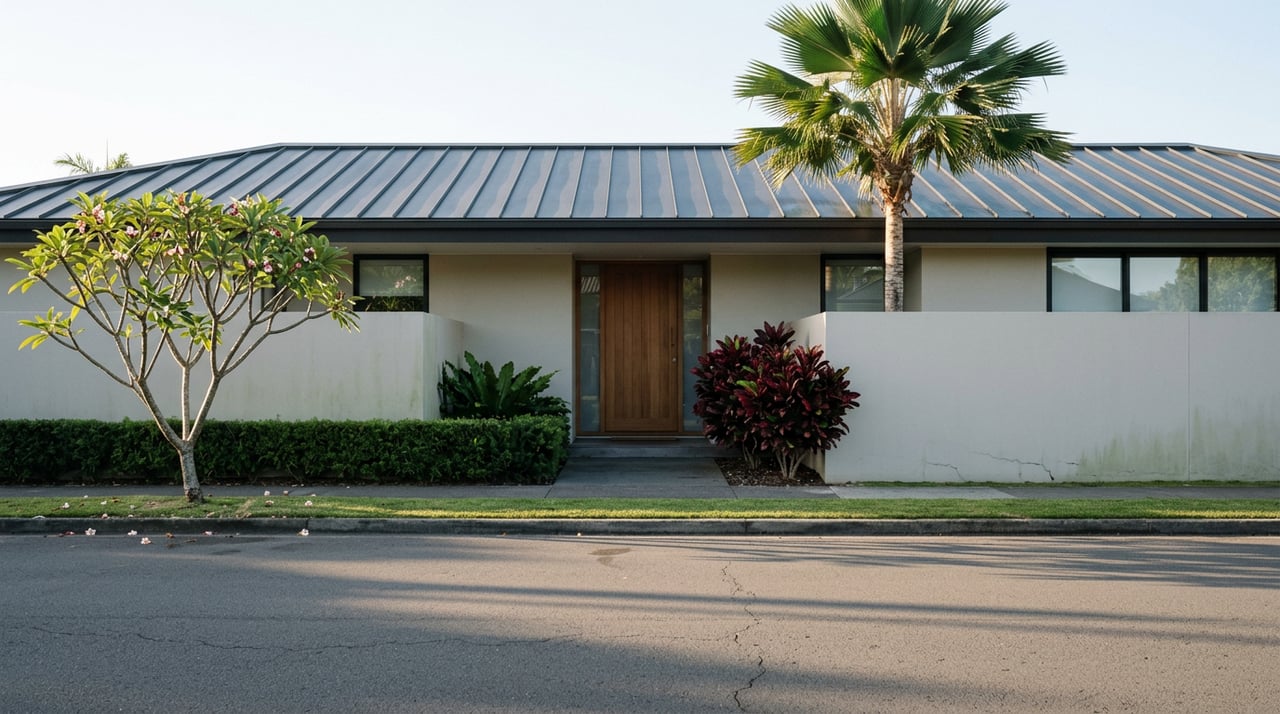
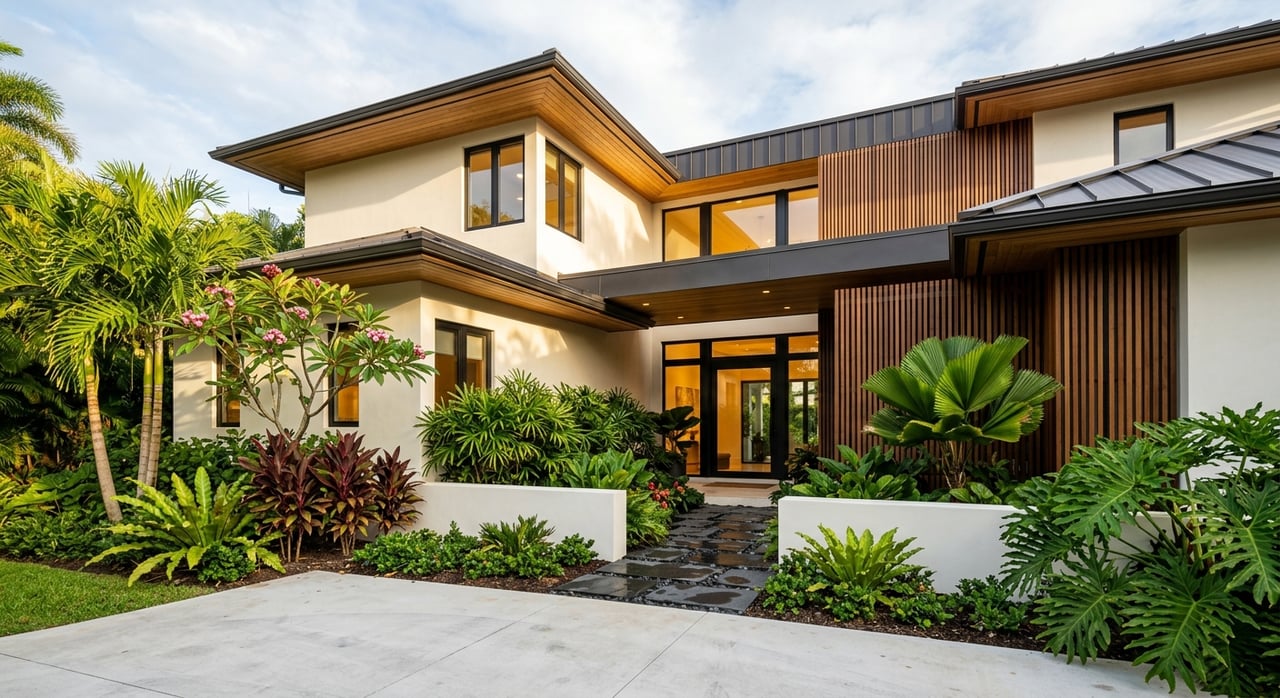
Kāneʻohe’s housing mix leans strongly toward detached homes. Census Reporter shows that 76% of housing structures are single-unit, which means single-family properties are the dominant housing type in the area.
That does not mean your options stop there. You will also find a smaller share of attached and multifamily inventory, which can matter if you are comparing budget, maintenance needs, or lifestyle preferences across Oʻahu neighborhoods.
Price Context for Buyers and Sellers
Understanding the local price picture is an important first step. Census QuickFacts reports the median value of an owner-occupied home in Kāneʻohe at $1,029,700, while median gross rent is $2,269.
Those numbers help frame Kāneʻohe as a market where planning matters. If you are buying, they give you a starting point for expectations. If you are selling, they reinforce why pricing strategy and property presentation can have a meaningful impact.
Commute and Household Context
Beyond home prices, it helps to understand the broader household picture. Census Reporter estimates median household income in Kāneʻohe at $125,613, with a mean travel time to work of 27.6 minutes.
These details can be useful when you are comparing Kāneʻohe with other parts of Oʻahu. They offer a snapshot of how the area functions as a lived-in community, not just a scenic destination.
Bay Life in Kāneʻohe
Kāneʻohe Bay is one of the area’s defining features. For buyers who picture mornings on the water or weekends built around boating and paddling, this is a major part of the neighborhood’s appeal.
A key access point is Heʻeia Kea Small Boat Harbor on the southwestern shore of Kāneʻohe Bay. According to the Hawaiʻi Department of Land and Natural Resources, the harbor includes 21 berths, 54 moorings, 3 ramps, restrooms, fuel, food, and ice.
That kind of infrastructure matters. It gives real shape to the boating culture here and helps turn bay access from an idea into a practical part of daily life.
The Kāneʻohe Sandbar
Ahu o Laka, often called the Kāneʻohe Sandbar, is another well-known feature of the bay. DLNR identifies it as a regulated safety zone and notes that thrill craft, commercial vessels, and water skiing are prohibited there.
For residents, that tells you two things. First, the area is heavily used and carefully managed. Second, Kāneʻohe Bay is not just scenic, but active enough to require clear rules around recreation and safety.
Trails and Green Space
Kāneʻohe is not only about the bay. The Koʻolau foothill setting also supports an outdoor lifestyle on land, with mountain views and access to local trails and green spaces.
One of the area’s major recreation anchors is Ho‘omaluhia Botanical Garden, a 400-acre city garden in Kāneʻohe. Its scale and setting make it one of the neighborhood’s standout open spaces.
The Honolulu Fire Department has also identified Friendship Trail in Kāneʻohe in rescue notices, and its hiking safety guidance encourages people to know the route and difficulty before heading out. If you enjoy hiking, that is a helpful reminder that trail access is part of the lifestyle, but preparation still matters.
Everyday Convenience Matters Too
Scenery is important, but most buyers also want to know what day-to-day life looks like. Kāneʻohe offers a practical side that supports errands, appointments, and regular routines.
Windward Mall serves as the main retail hub. Its directory includes Target, Starbucks, and the Straub Benioff Medical Center Kāneʻohe Clinic, along with family restrooms, a children’s play area, Wi-Fi, and wheelchair service.
That mix makes a difference in how a neighborhood functions. It supports the idea that Kāneʻohe is not defined only by views and recreation, but also by convenience.
Community Anchors in Kāneʻohe
Kāneʻohe Public Library adds another layer to daily life. The library says it was built to serve a community that is both urban and rural, and it functions as a back-up reference library for the Windward area.
It also offers programs such as storytimes, Lego Club, movie nights, and reading events. For buyers thinking long term, public spaces like this can help show how a neighborhood supports everyday learning and connection.
Windward Community College is also part of the area’s identity. The college describes itself as being at the foot of the Koʻolaus and just down the road from Windward Mall, reinforcing Kāneʻohe’s role as a livable residential hub with practical amenities close at hand.
What Living in Kāneʻohe Feels Like
Taken together, Kāneʻohe offers a blend that can be hard to find. You get bay access, mountain scenery, a strong detached-home presence, and core conveniences that support real daily living.
It is a place where you can picture both weekend recreation and weekday routines. That balance is often what draws buyers to the area, especially those relocating within Oʻahu or moving from the mainland and trying to understand how a neighborhood actually functions beyond the photos.
Is Kāneʻohe Right for You?
Kāneʻohe may be worth a closer look if you want a residential windward setting with a strong sense of place. The housing stock leans heavily toward single-family homes, the climate is cooler and wetter than Honolulu, and the neighborhood offers direct access to both bay life and foothill recreation.
At the same time, it remains practical for daily needs. With a retail hub, public library, and community college nearby, Kāneʻohe supports a lifestyle that feels both outdoorsy and grounded.
If you are considering a move to Kāneʻohe, the details matter. Comparing home types, price points, and micro-locations within the area can help you find the right fit for your goals. When you are ready for personalized guidance on buying, selling, relocating, or investing on Oʻahu, connect with Hokua Hawaii Realty, LLC.
FAQs
What is Kāneʻohe known for on Oʻahu?
- Kāneʻohe is known for its windward location between Kāneʻohe Bay and the Koʻolau range, along with a lifestyle that blends residential living, bay access, and mountain scenery.
What is the climate like in Kāneʻohe?
- NOAA data shows Kāneʻohe is slightly cooler and wetter than urban Honolulu, with an average annual temperature of 76.6°F and annual precipitation of 27.82 inches.
What kinds of homes are common in Kāneʻohe?
- Detached single-family homes are the most common housing type in Kāneʻohe, with Census Reporter showing 76% single-unit structures.
Is Kāneʻohe a good area for boating and paddling?
- Kāneʻohe offers strong access to bay recreation, including Heʻeia Kea Small Boat Harbor, which has berths, moorings, ramps, restrooms, fuel, food, and ice.
What everyday amenities are available in Kāneʻohe?
- Kāneʻohe includes practical neighborhood anchors such as Windward Mall, Kāneʻohe Public Library, and Windward Community College, which support errands and daily routines.