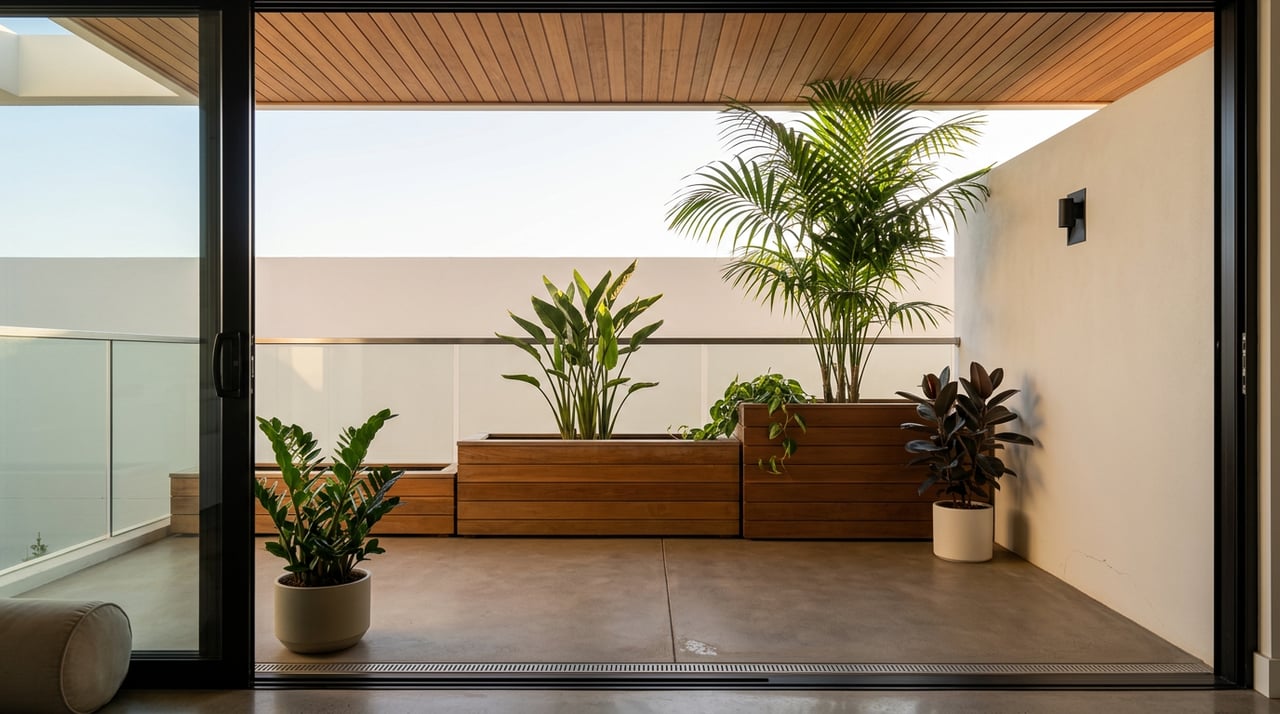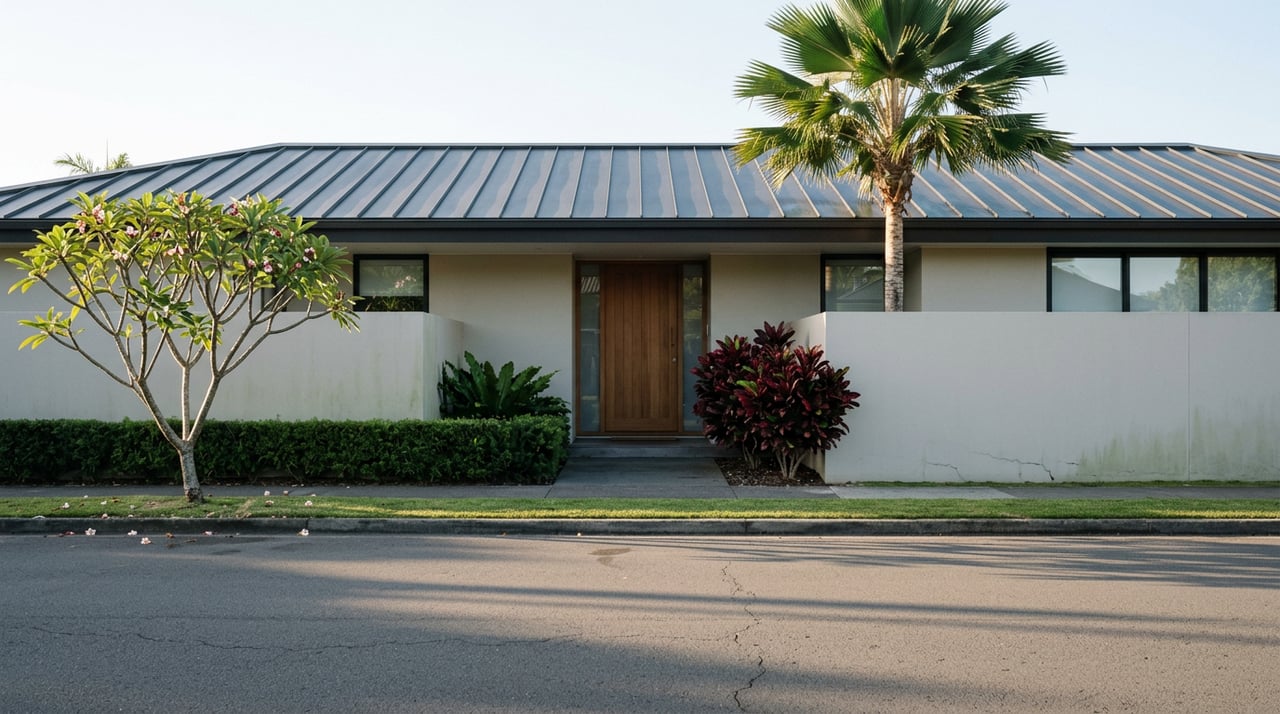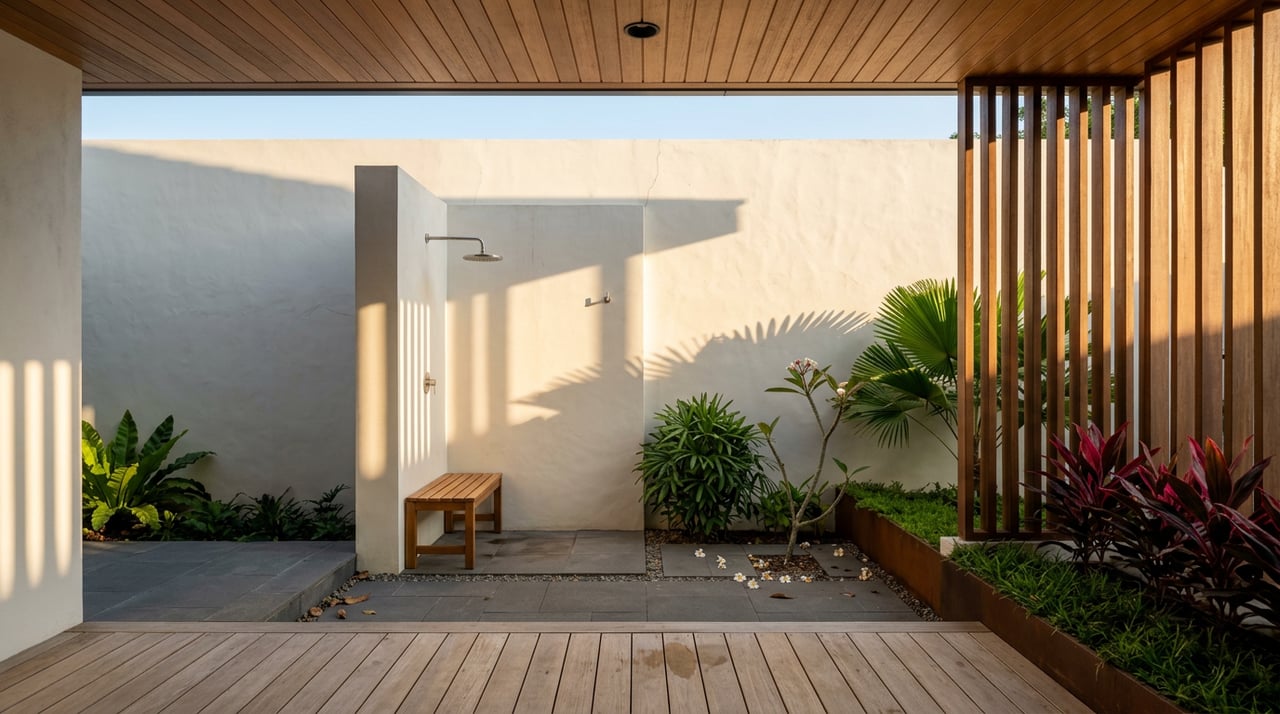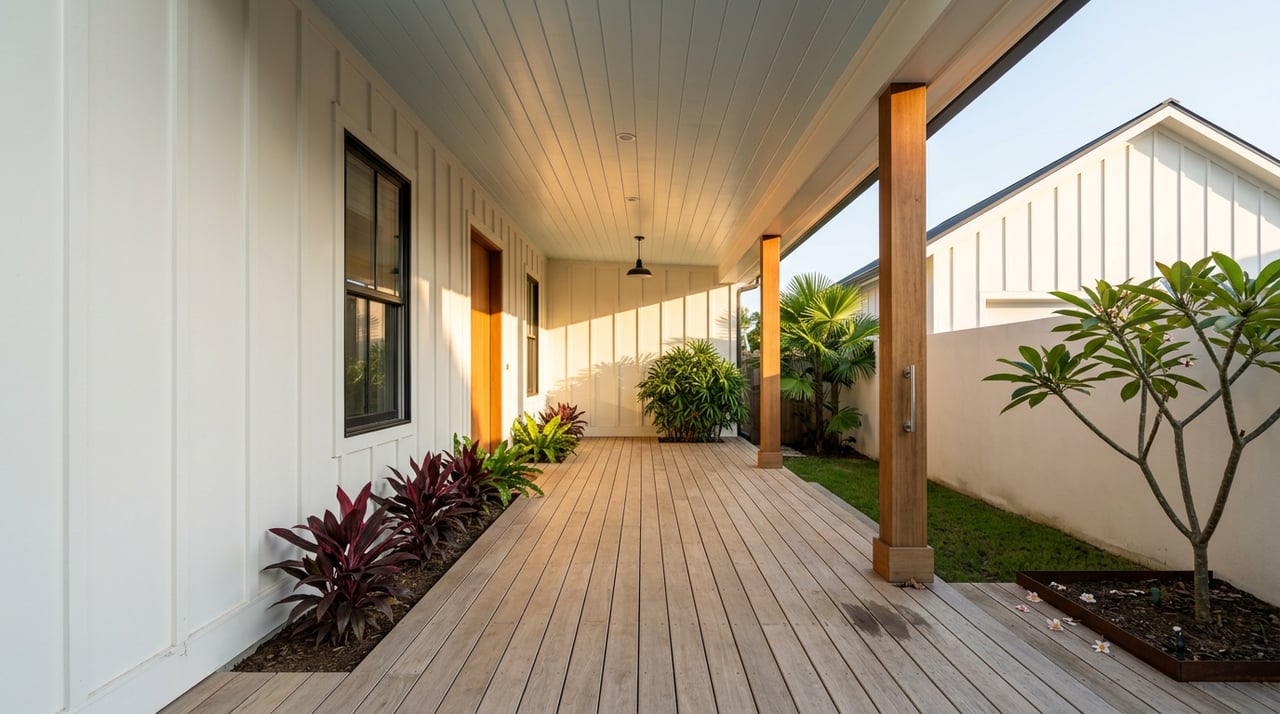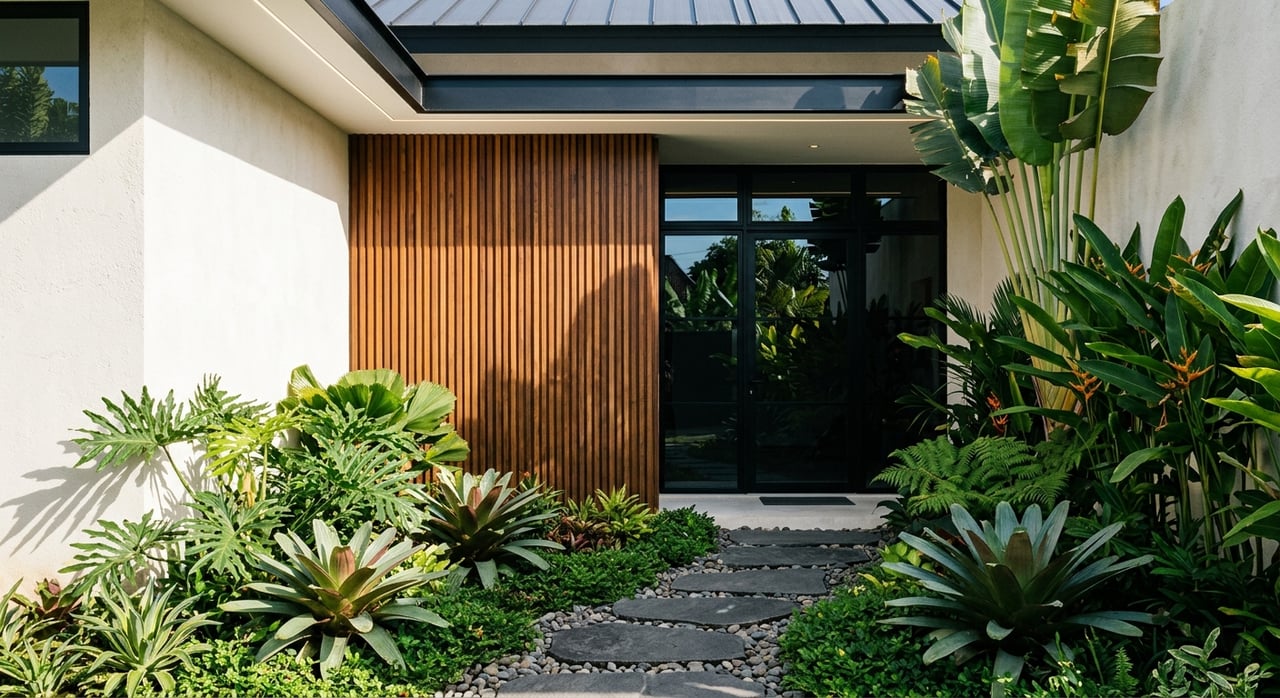
Trying to choose between Kaneohe and Kailua? If you love Oahu’s windward side, this decision can feel tougher than it looks. Both towns offer that lush, ocean-influenced setting people picture when they think about East Oahu, but they live very differently day to day. This guide will help you compare price, lifestyle, commute, and housing options so you can decide which windward town fits you best. Let’s dive in.
Kaneohe vs Kailua at a glance
The simplest way to compare these two towns is this: Kaneohe is the greener, more mixed-use, and generally more attainable windward base, while Kailua is the more beach-centered premium market.
That difference shows up in both the feel of each town and the numbers behind them. Kaneohe tends to appeal to buyers who want value, convenience, and a wider range of entry points. Kailua tends to attract buyers who put a higher priority on beach access and a stronger ocean-oriented lifestyle.
Climate and setting
Both Kaneohe and Kailua sit on Oahu’s windward side, so you are still choosing between two places with similar overall geography and climate patterns. That said, they do not feel exactly the same once you spend time in them.
NOAA climate normals for Kaneohe Bay MCAS show average annual precipitation of 27.82 inches, with average temperatures around 81.1°F for highs and 72.1°F for lows. That supports a picture of Kaneohe as warm, humid, and rain-fed, with the lush, green look many buyers want from the windward side.
Kailua’s shoreline areas are often described in state filings as sunnier and drier by comparison. In practical terms, Kaneohe leans more garden-like and green, while Kailua leans more beach-focused and sun-forward.
What that means for daily life
If you want the “green side of the island” feeling first, Kaneohe may feel like a better match. The scenery and setting can feel more residential and sheltered, with a practical home-base quality.
If your ideal day starts with being close to the beach and living in a place with a stronger shoreline identity, Kailua may be the better fit. The town’s public life is shaped more directly by the coast.
Home prices and housing options
For many buyers, this is where the difference becomes very clear. Kailua is the premium-priced option, while Kaneohe often offers a more accessible path into the windward market.
Recent market data showed a median sale price of $765,000 in Kaneohe, compared with $1,502,000 in Kailua in March 2026. That is a major spread, especially for buyers who want to stay on the windward side without stretching into Kailua pricing.
Kaneohe also shows a broader pricing ladder across property types. Recent city guide data listed a median single-family home price of $1,260,000, a condo or co-op median of $640,000, and a townhouse median of $810,000.
Kaneohe may offer more entry points
Inventory snapshots show that both towns have condos and townhomes, but Kaneohe had somewhat more condo inventory in the recent snapshot. That supports the idea that Kaneohe can offer more variety for buyers trying to balance budget, location, and property type.
For a first windward-side purchase, a relocation move, or a value-focused search, that wider mix can matter. It gives you more ways to enter the market without giving up the windward setting altogether.
Kailua carries a stronger premium
Longer-term housing and rent data also reinforce Kailua’s higher-cost position. Census QuickFacts show higher owner-occupied housing values in Kailua at $1,353,700, compared with $1,029,700 in Kaneohe.
Median gross rent is also higher in Kailua at $3,093, compared with $2,269 in Kaneohe. Taken together, those numbers support Kailua’s place as the premium lifestyle market on this side of the island.
Everyday feel and town character
Price matters, but so does how a place works for your real life. Kaneohe and Kailua have different day-to-day rhythms, even though they are close geographically.
The City’s Kaneohe Town Center Plan describes Kaneohe’s town center as the community’s main gathering place and notes activity around Windward Mall. That supports Kaneohe’s identity as a practical, mixed-use neighborhood hub rather than a town defined mainly by destination appeal.
Kailua feels different because so much of its public life is tied to the shoreline. City parking restrictions near Kailua and Lanikai during busy holiday periods were specifically put in place to reduce congestion near the beach areas.
Kaneohe: practical and residential
Kaneohe often fits buyers who want a place that feels more utility-driven and residential. It can be a strong choice if you care about everyday convenience, a more mixed-use setting, and a slightly more settled market feel.
Census data also show Kaneohe with slightly higher owner occupancy at 76.4% versus 72.3% in Kailua. A higher share of residents in Kaneohe also reported living in the same house one year later, which supports that steadier feel.
Kailua: beach-town lifestyle first
Kailua often fits buyers who want the beach-town identity to be part of daily life, not just a weekend feature. The shoreline, visitor activity, and coastal preservation work all shape how the town functions.
That does not make one town better than the other. It simply means Kailua tends to attract people who are comfortable paying more for that lifestyle-forward setting.
Commute and access
If you commute into Honolulu or need regular cross-island access, both Kaneohe and Kailua can work. Still, both rely on a relatively limited set of major corridors, so access patterns matter.
Census QuickFacts show a mean travel time to work of 27.6 minutes in Kaneohe and 29.1 minutes in Kailua. That places both in a similar commuter-suburb range, with Kailua coming in slightly longer on average.
The City’s transit planning documents also show bus connections from the Kaneohe and Kailua corridor into urban Honolulu. Kaneohe’s town plan further describes the town center as a functioning transit center and notes that most bus routes travel to Honolulu from Kaneohe.
Access differences to keep in mind
Kaneohe’s role as a windward-side hub may appeal to buyers who want a more practical base for getting around. It is often framed as a working center, not only a destination.
Kailua, on the other hand, can see access affected more by beach-related traffic and parking controls near the shoreline. If you are choosing Kailua, it helps to think not just about commute distance, but also about how beach visitation can affect day-to-day movement.
Which town fits different buyers?
The best choice usually comes down to what you want your home base to do for you. Your budget matters, but so does the kind of daily environment you want to come home to.
Kaneohe may fit you if you want
- More attainable windward-side pricing
- A broader mix of condos, townhomes, and single-family options
- A greener, more rain-fed setting
- A practical, mixed-use residential hub
- Slightly stronger value orientation in your home search
Kaneohe is often a smart fit for buyers who want windward living with more flexibility. That can include first-time move-up buyers, mainland relocators, or anyone who wants a strong location without paying the full Kailua premium.
Kailua may fit you if you want
- A beach-centered lifestyle
- A stronger ocean-oriented identity
- A market with established premium pricing
- A setting shaped more directly by shoreline access
- A higher-end windward lifestyle experience
Kailua often makes sense for buyers who know the beach-town feel is their top priority. If that lifestyle is central to your decision, the premium may feel worth it.
What this means if you are selling
Sellers can also use this comparison to understand buyer expectations. In many cases, Kailua buyers come in expecting a premium lifestyle market, while Kaneohe buyers often compare value, size, and convenience more closely.
That matters for pricing, presentation, and marketing strategy. A Kailua property may benefit from messaging that reflects the coastal lifestyle buyers already expect, while a Kaneohe listing may perform best when it highlights usable space, flexibility, and everyday practicality.
For both towns, local positioning matters. Neighborhood-level knowledge, pricing discipline, and polished presentation can make a meaningful difference in how your property competes.
If you are weighing Kaneohe versus Kailua as a buyer or seller, the right answer is usually less about which town is “better” and more about which one lines up with your goals, budget, and daily routine. Hokua Hawaii Realty, LLC offers personalized Oahu guidance, relocation support, and strategic marketing to help you make a confident move on the windward side.
FAQs
Is Kaneohe or Kailua more affordable for homebuyers?
- Kaneohe is generally more affordable, with a much lower recent median sale price than Kailua and a wider range of condo, townhouse, and single-family entry points.
Is Kaneohe or Kailua better for beach access?
- Kailua is the more beach-centered choice, with a stronger shoreline identity and daily life shaped more directly by coastal access.
Does Kaneohe get more rain than Kailua?
- Kaneohe is best described as greener, more humid, and rain-fed, while Kailua’s shoreline areas tend to feel somewhat sunnier and drier by comparison.
Is commuting from Kaneohe easier than commuting from Kailua?
- Both towns fall in a similar commute range, but Kaneohe has a slightly shorter mean travel time to work and is described by the City as a functioning windward transit hub.
Is Kailua worth the higher home prices?
- For buyers who prioritize a premium beach-town lifestyle and strong ocean-oriented identity, Kailua’s higher prices may align with their goals.
Which windward town is better for relocation to Oahu?
- It depends on your priorities: Kaneohe often fits relocation buyers seeking value and flexibility, while Kailua fits those willing to pay more for a beach-driven lifestyle.