If waking up to the marina or the ocean sounds like the Hawaii lifestyle you have been picturing, Hawaii Kai can deliver it. But buying on the water here is not as simple as finding a home with a view and writing an offer. You also need to understand dock access, shoreline conditions, insurance, and the difference between marina frontage and oceanfront exposure. This guide will help you sort through the details so you can buy with more clarity and confidence. Let’s dive in.
What Waterfront Means in Hawaii Kai
Hawaii Kai sits along the south coast of Oahu at the east end of Maunalua Bay, and its waterfront is unique. According to a state environmental review, much of the shoreline is largely man-made and development in the area began in 1959. That means the water access you see from one property to the next can vary more than many buyers expect.
In practical terms, “waterfront” in Hawaii Kai may mean marina frontage, canal-style access, or direct oceanfront positioning in areas such as Portlock. These are very different ownership and maintenance experiences. A home with a seawall and marina access will raise different questions than an oceanfront parcel exposed to surf and shoreline change.
If you are touring homes, it helps to look beyond the view. You want to understand how the parcel meets the water, whether there is usable dock access, and what regulations may affect your use of the shoreline.
Marina Frontage and Oceanfront Are Different
One of the biggest mistakes buyers make is treating all waterfront homes as if they function the same way. In Hawaii Kai, marina properties often offer controlled boating access, while oceanfront properties may come with more direct exposure to erosion, wave action, and shoreline limits.
For Portlock in particular, the state environmental review notes erosion issues in many places. It also says some stretches may have no beach at high tide, with waves breaking against seawalls. If you are considering oceanfront property there, shoreline condition should be a major part of your due diligence.
The state also notes that beaches in Hawaii are public. In some cases, shoreline vegetation that extends into the public right-of-way may need to be cut back or removed. For buyers, this is a reminder that owning along the water does not mean unlimited control over the shoreline area.
Dock Access Is Regulated, Not Automatic
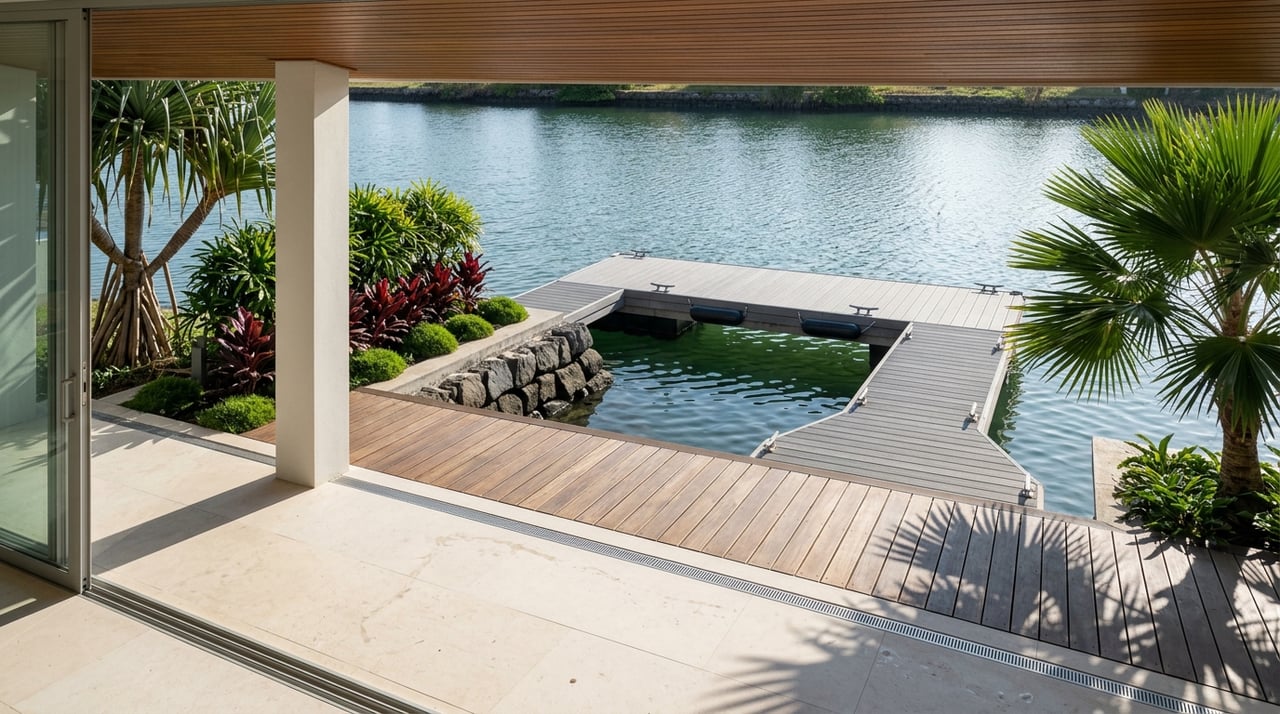
If your goal is to keep a boat behind your home, do not assume every waterfront listing comes with the same rights. The Hawaii Kai Marina is governed by the Hawaii Kai Marina Community Association, and marina use is shaped by published rules and regulations.
That matters because dock access in Hawaii Kai is regulated rather than automatic. The U.S. Army Corps of Engineers general permit for boat docks applies only to the Hawaii Kai Marina and authorizes docks for eligible waterfront parcels or units. Docks must also conform with HKMCA Boat Dock Policy Guidelines and cannot obstruct navigation.
The same permit makes another point buyers should know. It does not allow dredging or filling under that general permit. So if a listing suggests future dock improvements or changes, you will want to confirm exactly what is approved and what is not.
What to Verify About a Dock or Slip
Before you move forward on a waterfront purchase, verify the access details carefully. In Hawaii Kai Marina, the most important questions usually include:
- Is the dock or slip deeded, shared, or association-approved?
- Is there documented HKMCA approval for the current setup?
- Does the boat you plan to use actually fit the slip?
- How does the slip function at low tide?
- Are there any restrictions tied to the parcel or unit?
These questions matter because a home can look ideal on paper but work very differently in real life. A slip that seems fine during a showing may not suit your vessel size or water depth needs.
Boating Rules Affect Daily Use
Even if a property has dock access, the marina comes with operating rules that shape the day-to-day experience. HKMCA rules allow waterfront residents to sponsor guest vessels, but there are limits. Guest passes are limited to one 10-day pass per resident per month, and guest boats cannot be used for watersports, fishing, or crabbing.
Speed is also tightly controlled. HKMCA rules limit marina speed to the slower of 5 knots or slow/no wake, with even slower nighttime operation and special right-of-way conditions under the Kalanianaole Highway Bridge.
State boating rules add another layer. Slow-no-wake applies within 200 feet of any shoreline, float, dock, launch ramp, congested beach, swimmer, diver’s flag, or anchored or moored vessel. If your waterfront dream includes frequent boating, these practical limits are worth understanding before you buy.
Expect a Real Marina Environment
Some buyers imagine marina living as calm and fixed, but waterways change over time. The U.S. Army Corps of Engineers has noted that sediment from storm drains and drainage canals enters the Hawaii Kai Marina and that periodic dredging is required to maintain safe navigation.
That does not make marina property less desirable, but it does mean you should buy with realistic expectations. Water depth, navigation conditions, and maintenance issues are part of the ownership picture. A knowledgeable review of the property and its water access is just as important as reviewing the home itself.
Flood and Hurricane Insurance Need Early Attention
Insurance is one of the most important parts of buying on the water in Hawaii Kai. DLNR’s flood-map program says flood maps show flood zones, floodplain boundaries, and base flood elevation, and it directs users to the Hawaii Flood Hazard Assessment Tool and FEMA’s Flood Map Service Center for map review.
You should check flood zone information early in the process, not after you are deep into escrow. If a structure or lot appears to be mapped incorrectly, owners can seek FEMA map changes through a Letter of Map Amendment or a Letter of Map Revision Based on Fill.
Flood insurance also deserves special attention because standard homeowners coverage usually does not fill that gap. Hawaii’s counties participate in the National Flood Insurance Program, so federally backed flood insurance is available in the state.
Why Standard Homeowners Coverage Is Not Enough
According to the Hawaii Department of Commerce and Consumer Affairs, most homeowners policies do not protect against flood, hurricane, or earthquake loss. HIEMA also says Hawaii lenders require hurricane insurance, and it notes that hurricane coverage is mainly for wind damage to the home.
That distinction matters for waterfront buyers. Flood insurance is what addresses storm surge or flash flooding associated with hurricanes. If you are comparing homes, getting flood and hurricane insurance quotes early can help you understand your true monthly ownership cost.
Older Waterfront Homes May Need Extra Review
HIEMA notes that homes built in 2010 or later were required to withstand a Category 3 hurricane. That makes construction era an important consideration when you are evaluating older waterfront properties in Hawaii Kai.
If you are looking at an older home, it may be wise to pay close attention to roof-to-wall connections, windows, doors, and overall wind resilience. This is especially relevant on or near the shoreline, where weather exposure can be more noticeable over time.
You should also review any visible signs of drainage issues, shoreline wear, or seawall concerns before removing contingencies. Waterfront ownership can be incredibly rewarding, but it works best when you understand both the setting and the maintenance realities.
Price Ranges Vary Widely in Hawaii Kai
Waterfront buying in Hawaii Kai includes a broad range of property types and price points. Redfin categorizes local inventory into single-family homes, townhouses, and condos/co-ops, and current market data shows a wide spread across submarkets.
In March 2026, Hawaii Kai’s median sale price was $1.1 million. Median listing prices in nearby submarkets included Hawaii Kai Marina at $1.368 million, The Peninsula at Hawaii Kai at $832,000, Koko Head Terrace at $1.535 million, and Portlock at $6.25 million.
That range tells you something important. “Buying on the water” in Hawaii Kai can mean very different things depending on the property type, ownership structure, and kind of access you want.
Compare More Than Price Per Square Foot
When you compare waterfront options, try not to focus only on price per square foot. A condo or townhome with water views may offer a very different ownership experience than a single-family marina property with dock rights or an oceanfront estate with direct shoreline exposure.
A smarter comparison usually includes:
- Ownership structure
- Type of water access
- Dock or slip rights
- Insurance costs
- Shoreline or seawall condition
- Ongoing maintenance considerations
Looking at the full picture can help you avoid overpaying for a feature that may not function the way you expect.
The Market Gives You Room to Compare
Realtor.com described Hawaii Kai as a balanced market in March 2026, with 134 homes for sale, a 97% sale-to-list ratio, and a median 55 days on market. For buyers, that can be encouraging.
It suggests you may have enough inventory to compare options thoughtfully, even though standout waterfront homes can still attract strong interest. In a market like this, preparation matters more than rushing.
If you understand the rules, the risks, and the tradeoffs of each type of waterfront property, you are in a much better position to recognize value when the right home appears.
A Smart Hawaii Kai Waterfront Checklist
Before you remove contingencies on a waterfront home in Hawaii Kai, make sure you have reviewed the basics:
- Confirm whether the property is marina-front, canal-style, or oceanfront
- Verify dock, slip, or boating rights in writing
- Review HKMCA rules if the property is in Hawaii Kai Marina
- Check flood zone maps and base flood elevation data
- Get flood and hurricane insurance quotes early
- Inspect shoreline condition, drainage patterns, and any seawall history
- Consider how an older home may perform in wind and weather exposure
- Make sure the listing’s water access matches your actual lifestyle goals
Buying on the water should feel exciting, but it should also feel informed. The right guidance can help you separate a beautiful listing from a truly workable waterfront purchase.
If you are exploring waterfront homes in Hawaii Kai, working with a local, detail-oriented brokerage can make the process much smoother. Hokua Hawaii Realty, LLC offers personalized Oahu guidance to help you evaluate properties, compare micro-markets, and move forward with confidence.
FAQs
What does waterfront mean for homes in Hawaii Kai?
- In Hawaii Kai, waterfront can mean marina frontage, canal-style access, or direct oceanfront location, and each comes with different use, maintenance, and shoreline considerations.
What should buyers verify about a Hawaii Kai marina dock?
- Buyers should confirm whether the dock or slip is deeded, shared, or association-approved, whether it meets HKMCA guidelines, and whether their boat fits the slip at low tide.
What boating rules apply in Hawaii Kai Marina?
- HKMCA rules limit speed to the slower of 5 knots or slow/no wake, place limits on guest vessel use, and state boating rules also require slow-no-wake operation within 200 feet of shoreline and other protected areas.
What insurance should buyers consider for waterfront homes in Hawaii Kai?
- Buyers should review flood and hurricane insurance early because most homeowners policies do not cover flood, hurricane, or earthquake loss, and waterfront ownership often brings added insurance considerations.
Why do Portlock waterfront buyers need extra shoreline review?
- State sources note erosion problems in parts of Portlock, including stretches with no beach at high tide, so buyers should closely review shoreline condition, seawall history, and wave exposure.
Is Hawaii Kai a competitive market for waterfront buyers?
- Hawaii Kai was described as a balanced market in March 2026, which means buyers may have room to compare properties carefully, even though desirable waterfront homes can still move quickly.