Imagine starting your day with a quick beach walk, a paddle to the Mokulua Islands, or a yoga class before work. If you value movement, nature, and a relaxed pace, Kailua can feel like a daily reset. You also want the practical side to make sense, from commute times to housing costs and school options. This guide walks you through what life in Kailua really looks like so you can decide if 96734 fits your lifestyle and budget. Let’s dive in.
Kailua at a glance
Kailua sits on Oʻahu’s windward coast, northeast of urban Honolulu. You get a small-town center, broad sandy beaches, and neighborhoods that prioritize indoor-outdoor living. The community is residential and engaged, with local groups active in beach and park stewardship.
The climate is tropical and moderated by trade winds. Temperatures usually sit in the 70s to 80s Fahrenheit year-round. Expect a drier stretch roughly April through October and a wetter season around November through March. Trade winds can enhance conditions for kayaking, windsurfing, and kiting, while winter storm patterns can change beach conditions.
Beaches and outdoor life
Kailua and Lanikai beaches
Kailua Beach Park offers a wide sandy shoreline and generally calm nearshore areas. Nearby Lanikai is a smaller, scenic crescent. Popular activities include swimming, stand-up paddleboarding, windsurfing, kitesurfing, and kayaking to the offshore Mokulua Islands. Conditions can vary with seasons and weather, so plan water time with local advisories in mind.
Trails and nature time
The Kaiwa Ridge trail, also known as the Lanikai Pillboxes, rewards you with sweeping coastal views. Portions of area trails can be steep or technical, and heavy use sometimes leads to erosion or temporary closures. For a calmer pace, Kawainui Marsh offers walking and birdwatching in a culturally significant wetland setting.
Water safety basics
Major beach parks have lifeguard coverage, but hazards still exist. Currents, shore break, and winter swells can create challenging conditions. If you paddle offshore, use proper safety gear and awareness of ocean rules. Seasonal sand shifts and erosion are part of local life, so check conditions before you go.
Daily conveniences
Kailua Town: shops and dining
Kailua Town anchors daily life with independent boutiques, surf shops, cafés, and casual dining. You can handle groceries and errands close to home. Larger retail centers and services are a short drive away. Weekend markets and pop-up events add to the community feel and change with the season.
Wellness and health care
Health and wellness are easy to prioritize. You will find yoga and pilates studios, outdoor fitness options, and quick access to beach workouts. For medical care, Castle Medical Center and local clinics serve the area, with major specialty hospitals available in Honolulu if needed.
Schools and lifelong learning
Public schools are part of the statewide Hawaiʻi Department of Education. Elementary, intermediate, and high schools on the windward side serve Kailua. Private and charter options also exist nearby. Families typically review official DOE resources and independent school sites for current enrollment zones and program details.
Housing and budget fit
Home types you will find
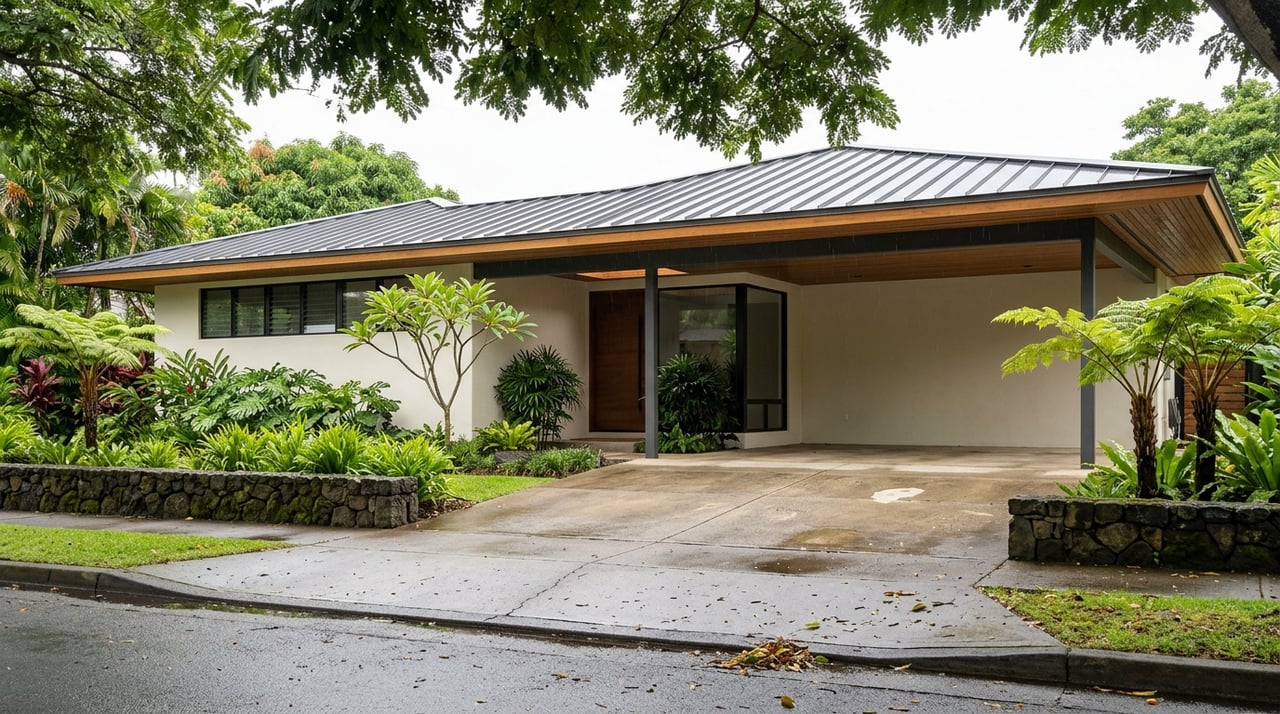
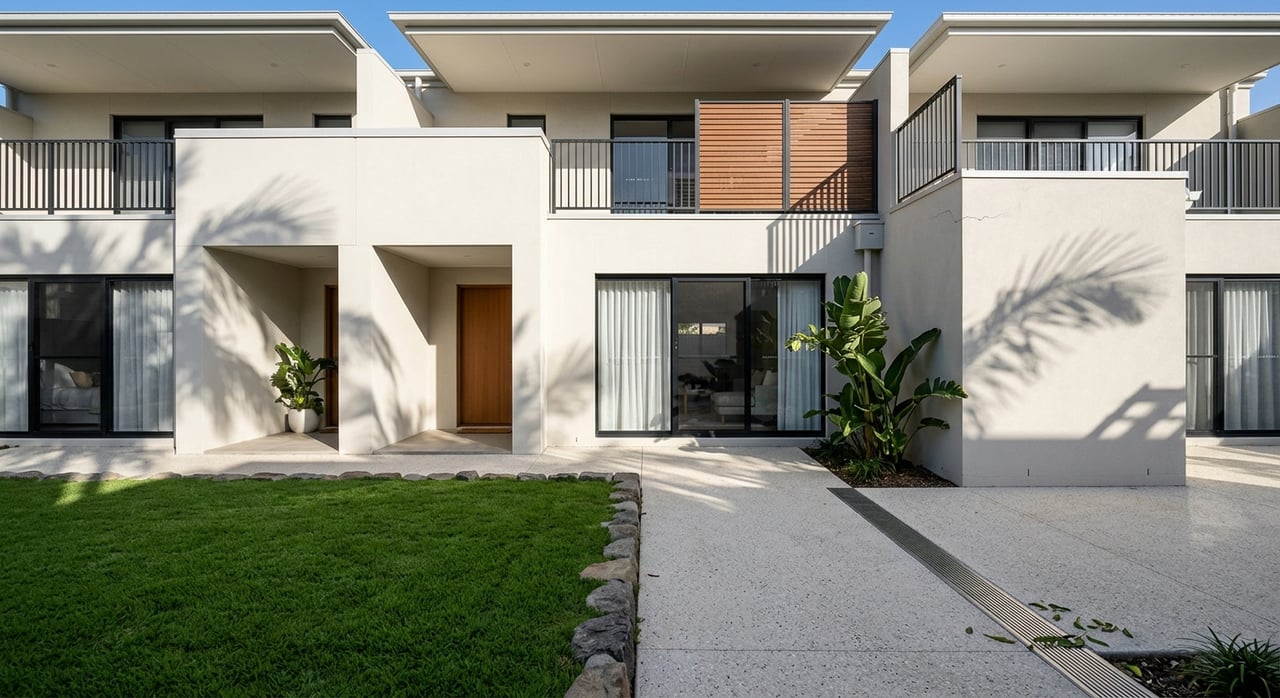
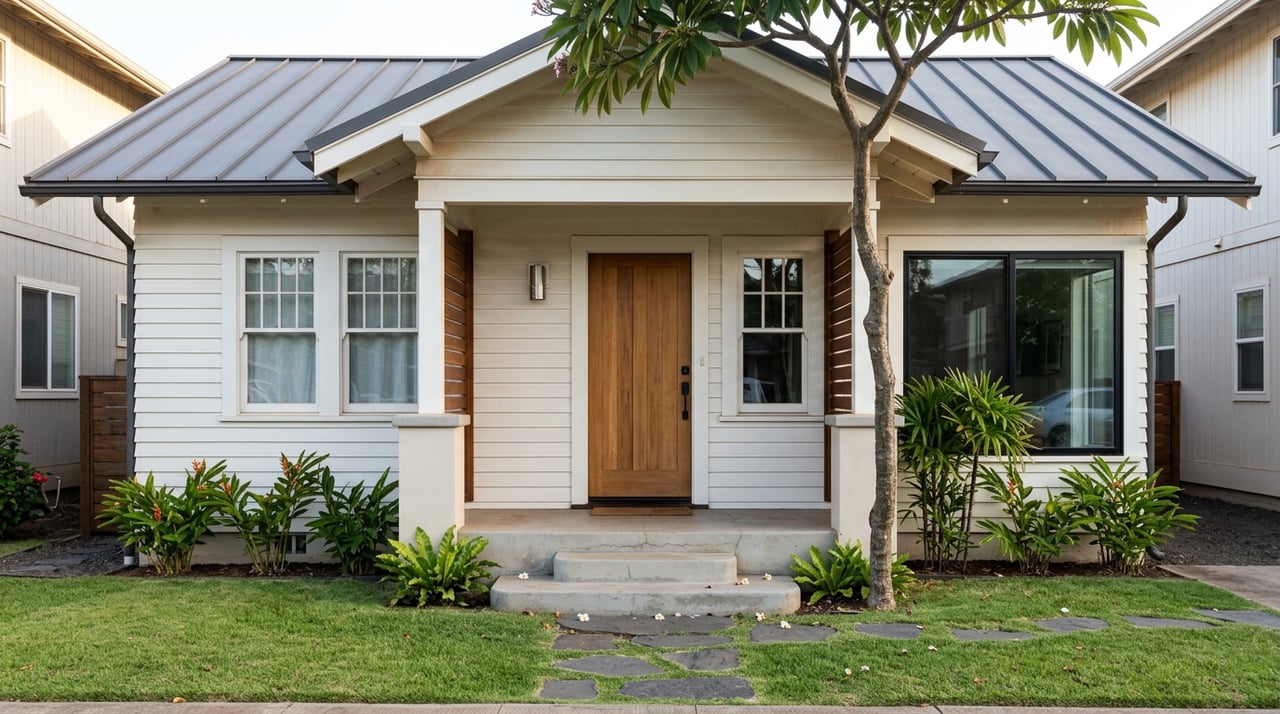
Kailua’s housing includes single-family homes, duplexes, townhouses, and condo communities. Many properties reflect an indoor-outdoor lifestyle and smaller lot sizes compared with some mainland suburbs. Beachfront and ocean-view homes command significant premiums, and location within Kailua strongly influences pricing.
Price and competition realities
Prices in Kailua are substantially higher than the U.S. average and above many other Oʻahu neighborhoods. Condos and townhomes generally cost less than single-family homes, but they still reflect Oʻahu-wide pricing. Inventory is often limited, demand for lifestyle features is strong, and desirable pockets can be competitive. Expect seasonal variation and price volatility in certain micro-markets.
Rentals and short-term rules
Long-term rentals exist but can be limited. Short-term vacation rentals face regulation at both county and state levels and are often restricted in residential areas. Many condominium associations also set their own rules, so you should verify HOA policies before you buy if rental flexibility is important.
Taxes, insurance, and monthly costs
Hawaii’s property tax rates are relatively low compared with many mainland states, but high assessed values can still create meaningful tax bills. In coastal areas, insurers may price in wind and hurricane risk, and flood or tsunami exposure can affect coverage and premiums. Utilities and groceries typically cost more than the national average due to freight and import factors. Build a realistic monthly budget that includes insurance, taxes, utilities, HOA fees where applicable, and maintenance.
Getting around
Commute to Honolulu
Driving is the primary way to commute. Travel to central Honolulu commonly takes 25 to 60 minutes or more during peak times, depending on route and traffic. Kailua is not served by Oʻahu’s rail project, so your main routes include the Pali Highway and Likelike Highway. Both can experience congestion and occasional closures due to weather or accidents.
Transit options
TheBus connects Kailua to Honolulu and other parts of Oʻahu. Service is available, but trips often take longer than driving. If your workday is flexible, off-peak travel can help. Many residents combine remote work, flexible hours, or carpooling to optimize time and reduce stress.
Risks and practical considerations
Coastal and weather hazards
Coastal erosion and seasonal sand loss occur in parts of Kailua and Lanikai. Low-lying coastal zones may fall within tsunami evacuation areas, and systems are in place to share alerts and routes. Heavy rainfall, localized flooding, and occasional storms are also part of life on the windward side. For everyday planning, monitor beach advisories, weather updates, and evacuation guidance.
Zoning and permits
Honolulu County manages zoning, permitting, and coastal setbacks. Beachfront renovations can require special approvals, and shoreline regulations may limit structures. Condo communities often have HOA rules that govern rentals, renovations, and common area use. Review current county rules and HOA documents before you start any project or make investment assumptions.
Is Kailua a fit for you?
If daily movement, ocean access, and a close-knit community matter to you, Kailua delivers a strong wellness-focused lifestyle. The trade-offs are higher housing costs, a commute that depends on traffic and route, and the need to plan for coastal risks. With clarity on budget, priorities, and regulations, you can make an informed choice.
You do not have to navigate these decisions alone. Our owner-led, boutique team provides neighborhood-level guidance across Oʻahu, premium home presentation, and steady, education-first support from search to closing. If you are weighing a move to Kailua or planning a sale, connect with the trusted advisors at Hokua Hawaii Realty, LLC to start a thoughtful plan that fits your goals.
FAQs
What is the day-to-day lifestyle like in Kailua for wellness-focused residents?
- You can plan your routine around beaches, short neighborhood commutes to shops and studios, and regular outdoor time, with trade winds and year-round warm temperatures supporting active living.
How long does it take to commute from Kailua to downtown Honolulu during rush hour?
- Typical one-way times range from 25 to 60 minutes or more depending on traffic, the Pali or Likelike route you choose, and your departure time.
Are Kailua and Lanikai beaches safe for swimming and kayaking year-round?
- Major parks have lifeguards, but conditions change seasonally. Currents, shore break, and winter swells can create hazards, so check local advisories and use proper safety gear.
What should I know about schools and enrollment in Kailua?
- Public schools are part of the Hawaiʻi Department of Education. Families review DOE resources for zones and policies, and evaluate private or charter options on the windward side.
What are the rules for short-term rentals in Kailua’s residential areas?
- Short-term rentals are regulated at county and state levels and are often restricted in residential neighborhoods, with additional limits common in condominium HOAs.
What ongoing costs should I budget for beyond a mortgage in Kailua?
- Plan for property taxes based on assessed value, homeowners insurance that reflects coastal risks, utilities and groceries that trend above U.S. averages, and HOA fees where applicable.