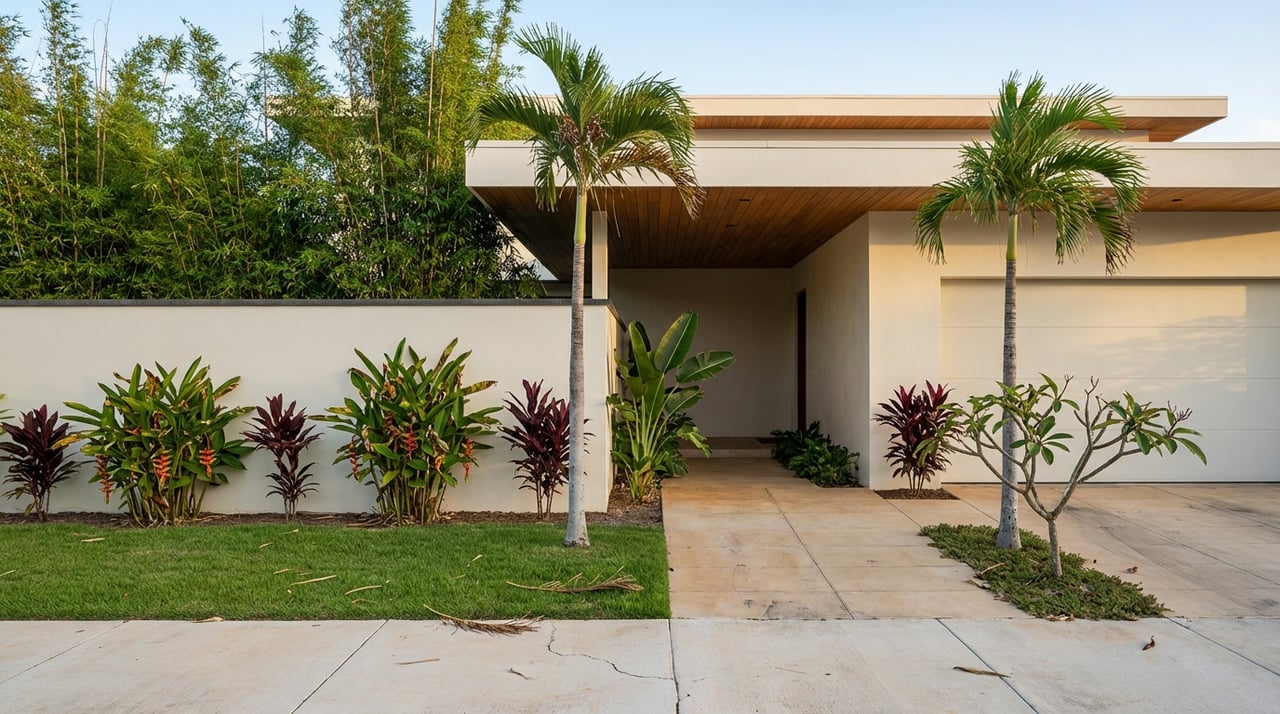
Is Kapolei calling your name, but you are not sure if it fits your life and budget? You are not alone. Many buyers love the newer neighborhoods, parks, and space, yet wonder about commute times, schools, prices, and long-term value. In this guide, you will get a clear, local view of Kapolei’s housing options, lifestyle, tradeoffs, and what to check before you buy. Let’s dive in.
Kapolei at a glance
Kapolei is planned as Oʻahu’s “Second City” within Honolulu’s ʻEwa Development Plan, a growing urban center designed to bring jobs, services, and daily conveniences closer to West Oʻahu residents. You can see this vision in the area’s mix of retail, civic spaces, and business districts anchored by major employers and institutions. For planning context, review the City’s ʻEwa plan that frames Kapolei as a secondary urban center in the county code library.
By the numbers, the Kapolei CDP counted 21,411 residents at the 2020 Census, and recent Census QuickFacts place the median value of owner-occupied homes around $744,200 for the 2019–2023 period. These are helpful baselines as you compare neighborhoods and price points across Oʻahu. See the official figures in U.S. Census QuickFacts for Kapolei.
Local anchors matter for daily life. The University of Hawaiʻi–West Oʻahu sits in Kapolei and supports regional jobs, learning, and community events. Explore the campus and programs at UH West Oʻahu. On healthcare, The Queen’s Medical Center – West Oʻahu provides leeward-side hospital services, a key quality-of-life factor for many buyers. Learn more about services and access at Queen’s West Oʻahu.
Housing options and price points
Kapolei’s appeal starts with relatively newer construction, planned neighborhoods, and a broad range of homes. Price bands vary by product type, size, updates, and proximity to resorts or golf courses. Market snapshots in 2025 place Kapolei’s median sale prices roughly in the low to mid $700Ks to low $800Ks, depending on the dataset and time window. Always verify the latest comps with a local MLS search before you write your offer.
Townhomes and condos
If you want a practical entry point with space, townhomes in planned villages like Nohona and similar communities often trade in the mid $500Ks to high $700Ks, depending on square footage, finishes, and parking. Condos and smaller townhomes can start in the high $400Ks to $600Ks. Expect HOA or association fees that cover exterior upkeep and community amenities. Well-priced units near parks, schools, or rail-adjacent areas tend to move faster.
Single-family homes
Detached homes in Kapolei and nearby submarkets such as Makakilo and Ocean Pointe commonly range from the $800Ks to $1.3M and above. Prices hinge on lot size, interior condition, bedroom count, and proximity to beaches or golf. Homes closer to the resort edge can command premiums.
New construction near Kapolei
Master-planned projects on the ʻEwa Plain bordering Kapolei, such as Ho‘opili, roll out new phases with a mix of townhomes and single-family product. Pricing shifts by release and can include market-rate and reserved or affordable units. Transit-oriented design near rail stations, new parks, and growing retail are part of the draw. If you are comparing new-build versus resale, weigh any builder incentives, HOA fees, and commute logistics.
Neighborhoods and lifestyle
Villages of Kapolei and Mehana
These planned neighborhoods emphasize parks, pools, community centers, and walkable design near everyday services. Many townhome clusters offer garages or tandem parking and access to recreation spaces. If you prefer newer layouts and a neighborhood feel, start your tour here.
Makakilo and Ocean Pointe
Makakilo sits on the hillside above Kapolei with many single-family homes that enjoy breezes and views. Ocean Pointe brings a coastal, marina-style plan with different price tiers and home sizes. Both areas offer options for buyers who want detached living and neighborhood amenities within a short drive of Kapolei’s retail core.
Ko Olina resort edge
If you want resort-adjacent living, Ko Olina offers lagoons, golf, dining, and luxury lodging nearby. Expect higher price points and a different ownership profile that includes vacation-oriented and luxury condos. For a feel of the resort area, browse the overview of Ko Olina’s accommodations and setting.
Schools and healthcare
Kapolei addresses are served by public schools within the Campbell–Kapolei complex of the HIDOE Leeward District, including Kapolei Elementary, Kapolei Middle, and Kapolei High. Assigned school boundaries vary by street, so always confirm a property’s school assignments using the HIDOE School Site Locator. Private options include Island Pacific Academy, and the area is also home to UH West Oʻahu for higher education.
Healthcare access is straightforward for most residents. The Queen’s Medical Center – West Oʻahu provides hospital services, and there are local clinics and urgent care options across the Kapolei retail districts. Learn more about hospital services at Queen’s West Oʻahu.
Commute and transportation
Driving realities
Kapolei connects to the island’s main arteries through the H-1 Freeway, Farrington Highway, Fort Weaver Road, and Kapolei Parkway. Peak-hour congestion toward central Honolulu is a regular factor. Honolulu County’s mean travel time to work is about 27 minutes, but many Kapolei and ʻEwa Plain commuters see longer drives depending on time of day and destination. See the county average in Census QuickFacts. The City’s planning framework aims to grow local jobs in West Oʻahu to reduce long east-west commutes over time, outlined in the ʻEwa Development Plan.
Skyline rail service
Honolulu’s Skyline rail began service from the East Kapolei area in mid-2023 and has opened in segments since then, including service toward the airport and central stations in 2025. Riders in Kapolei and the ʻEwa Plain now have a growing alternative to driving for select commutes, especially when their destination aligns with current stations. For the latest map and service updates, check HART’s project page.
Local transit and active travel
TheBus routes serve Kapolei, and many master-planned neighborhoods include parks, sidewalks, and bike paths. That said, most households remain car dependent, especially outside rail-adjacent areas. If you plan to rely on transit, confirm your nearest bus stops, rail station access, and transfer times before you buy.
Daily life and amenities
Kapolei concentrates shopping and services so you can handle most errands without leaving the area. Ka Makana Aliʻi and Kapolei Commons, as well as Costco, Target, and Walmart, cover everyday needs. For a snapshot of the island’s main shopping hubs, see this overview of Honolulu shopping centers. On weekends, you are close to Ko Olina’s lagoons, golf courses, and local parks.
Family-friendly amenities are a core draw. The Salvation Army Kroc Center is a large community and fitness complex, and WetʻnʻWild adds an easy outdoor activity option for all ages. A West Oʻahu feature from Hawaii Business captures much of the community energy, anchored by growing services and recreation options in the region. Explore the context in this West Oʻahu overview.
Risks and what to verify
Every market has tradeoffs. In Kapolei, here are the big ones to check:
- Commute time: If you need daily access to downtown Honolulu, time your route during real commute hours to understand the true drive time and whether rail or bus connections work for you.
- School assignments: Boundaries can shift by year and address. Confirm every property on your shortlist using the HIDOE School Site Locator.
- Coastal and sea-level exposure: Inland Kapolei neighborhoods sit away from the shoreline, but coastal parcels and resort-edge properties near Ko Olina have different risk profiles. Use the State’s Sea Level Rise Viewer and ask for seller hazard disclosures.
- HOA and maintenance: Most townhomes and condos include association fees. Review budgets, reserves, insurance, and upcoming projects so you understand the true monthly cost.
- Market comps: Rely on very recent comps within the same micro-neighborhood and product type. Price bands can shift quickly in a low-inventory market.
Who Kapolei fits best
- First-time and growing households who want newer floor plans, parks, and more interior space relative to core Honolulu at the same price point.
- Households with work, school, or support systems in West Oʻahu who benefit from the area’s local anchors: UH West Oʻahu, Queen’s West, and regional retail.
- Buyers open to the rail commute, or flexible schedules that avoid peak congestion toward downtown.
- Resort-adjacent seekers who want access to Ko Olina’s lagoons, dining, and golf within a short drive while living in a residential neighborhood.
A quick buyer checklist
Use this list to decide if Kapolei should stay on your shortlist:
- Pricing and product: Confirm the latest comps for your target type, size, and neighborhood. Ask for sales from the past 60–90 days.
- Commute test: Drive your route during your real work hours and check rail service and park-and-ride options on HART’s project page.
- Schools: Verify assigned schools for any address with the HIDOE School Site Locator.
- Flood and shoreline exposure: For any coastal or low-lying property you consider, use the Sea Level Rise Viewer and review hazard disclosures.
- Healthcare, parks, and shops: Confirm proximity to services like Queen’s West Oʻahu, your preferred grocery stores, and the parks or community centers you plan to use.
The bottom line
Kapolei delivers the space, conveniences, and community feel that many buyers want, with a clear tradeoff in distance from downtown Honolulu’s cultural and job hubs. If you like newer homes, strong everyday amenities, and the option to use rail as it expands, it is worth a serious look. When you are ready to compare neighborhoods, comps, and commute realities side by side, our boutique team can guide you through the details and help you buy with confidence.
Have questions about Kapolei or want a tailored plan for your move? Connect with Hokua Hawaii Realty, LLC for local guidance and a clear next step.
FAQs
What price ranges can buyers expect in Kapolei?
- As of 2025, townhomes commonly trade from the mid $500Ks to high $700Ks, condos and smaller townhomes can start in the high $400Ks to $600Ks, and many single-family homes range from the $800Ks to $1.3M and above. Always confirm current comps.
How long is the commute from Kapolei to Honolulu?
- Countywide, the mean commute is about 27 minutes, but Kapolei-area drives to downtown are often longer at peak times. Time your route during real commute hours to get an accurate picture.
Does the Skyline rail help Kapolei commuters?
- Yes for select destinations. Skyline service began in mid-2023 from East Kapolei and has expanded in segments, including toward the airport and central stations in 2025. Check current stations on HART’s project page.
Which schools serve Kapolei addresses?
- Properties fall within the Campbell–Kapolei complex that includes Kapolei Elementary, Middle, and High. Boundaries vary by address, so verify each property with the HIDOE School Site Locator.
What are Kapolei’s main lifestyle draws?
- Newer planned neighborhoods, parks and pools, the Ka Makana Aliʻi retail district, nearby Ko Olina lagoons, the Kroc Center, and access to hospital services at Queen’s West Oʻahu.
What risks should coastal buyers near Kapolei review?
- For resort-edge or shoreline properties, check long-term sea-level exposure and flood layers with the State’s Sea Level Rise Viewer and ask for full hazard disclosures.