If you are drawn to lush mountain views, older island homes, and a neighborhood that feels close to town without feeling overly urban, Mānoa Valley probably catches your attention fast. It is a place with a distinct personality, and that personality can shift from one part of the valley to another. If you are thinking about living in Mānoa, this guide will help you understand the setting, housing, daily routine, and practical tradeoffs so you can decide if it fits your lifestyle. Let’s dive in.
Mānoa Valley at a Glance
Mānoa Valley sits in Honolulu and stretches back into the Koʻolau Range. Its landscape was shaped by wind, weather, and erosion, which helps explain the dramatic green scenery and the valley’s cool, misty feel.
One of the first things you notice about Mānoa is that it has a true microclimate. According to Mānoa Heritage Center, the valley head gets about 106 inches of rain per year, while the portal near H-1 gets about 35 inches. That means a home lower in the valley may feel noticeably different from one farther mauka.
What the Climate Feels Like
If you prefer cooler temperatures and a greener setting, Mānoa often stands out from other parts of Honolulu. The valley’s exposure to northeast trade winds makes it wetter and cooler than lower, more urban neighborhoods nearby.
That extra rain is part of what gives Mānoa its lush, established feel. It also means you should expect changing weather patterns depending on where you are in the valley, especially as you move upslope.
Why Mānoa Feels So Green
Mānoa’s greenery is not just a visual feature. It reflects the valley’s long agricultural history and the continued presence of cultural and botanical spaces.
Places like the Mānoa Heritage Center and Lyon Arboretum help reinforce that connection. In upper Mānoa, Lyon Arboretum serves as a tropical plant and education site, while Mānoa Heritage Center offers gardens, valley views, and access to Kūkaʻōʻō Heiau through guided visits.
Housing in Mānoa Valley
Older Homes and Layered Character
Mānoa developed over time from an agricultural area into a residential neighborhood, especially after World War II as Honolulu expanded. Today, it remains a multicultural neighborhood and is widely seen as one of Oʻahu’s most desirable residential areas.
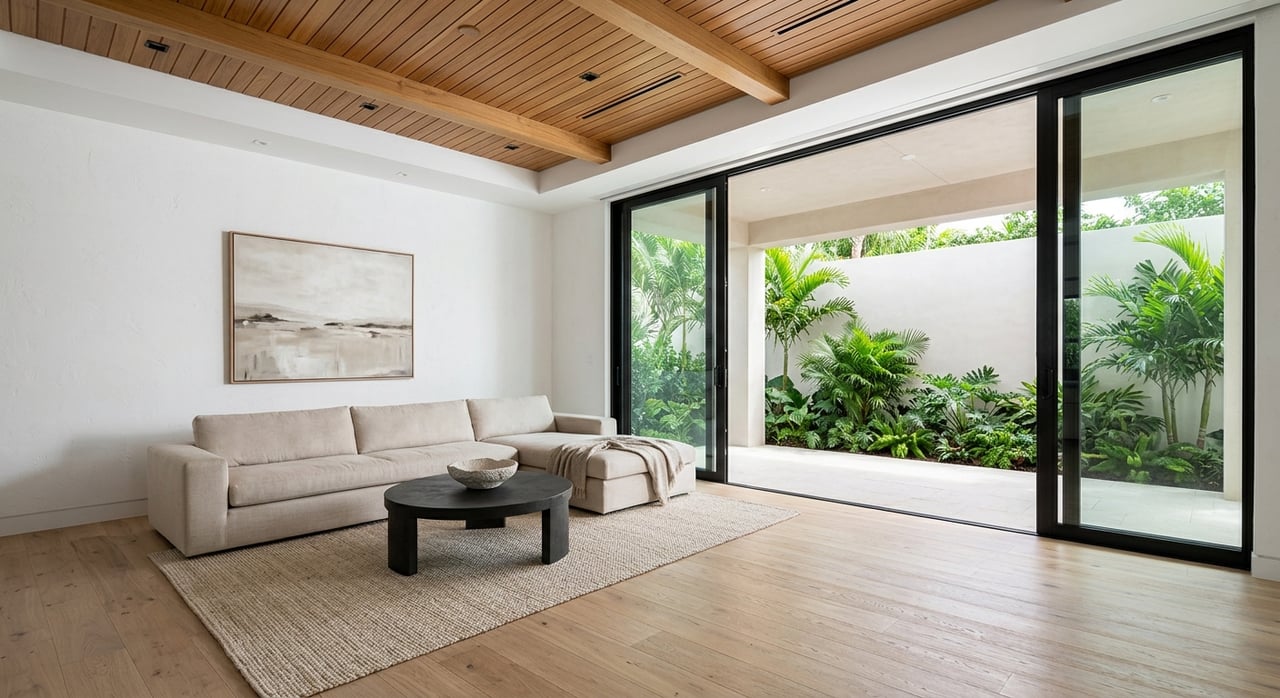
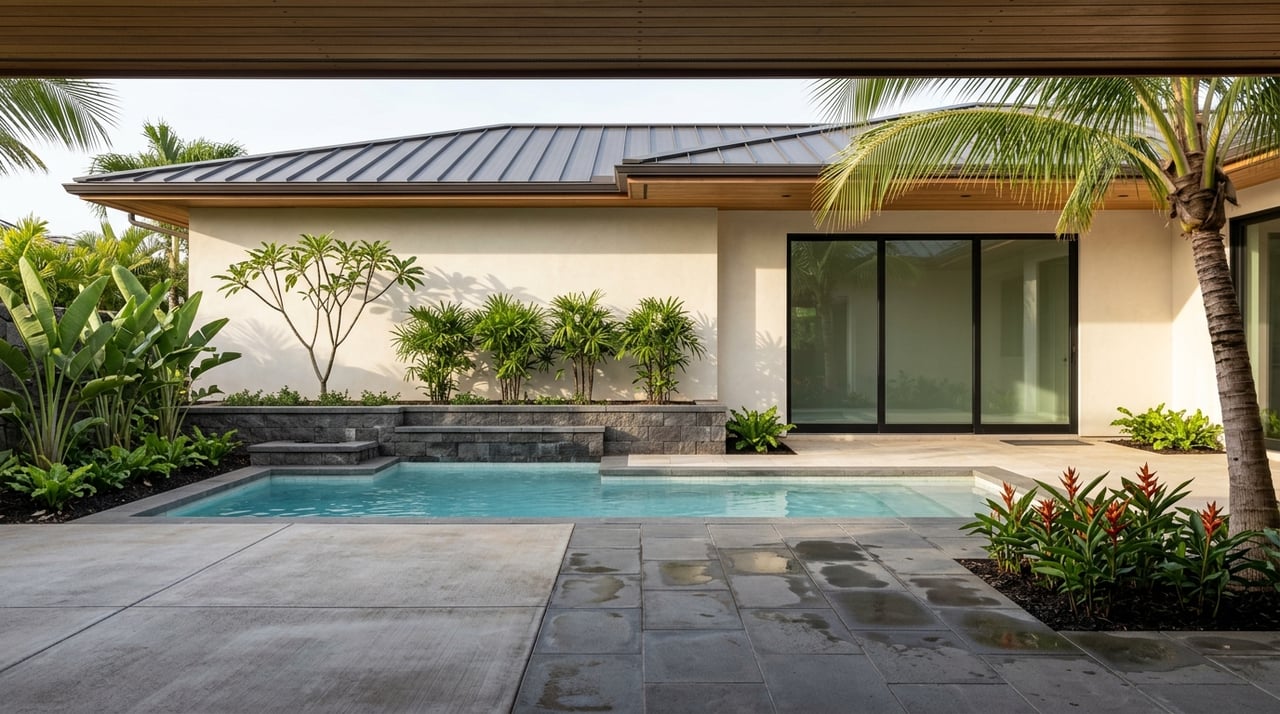
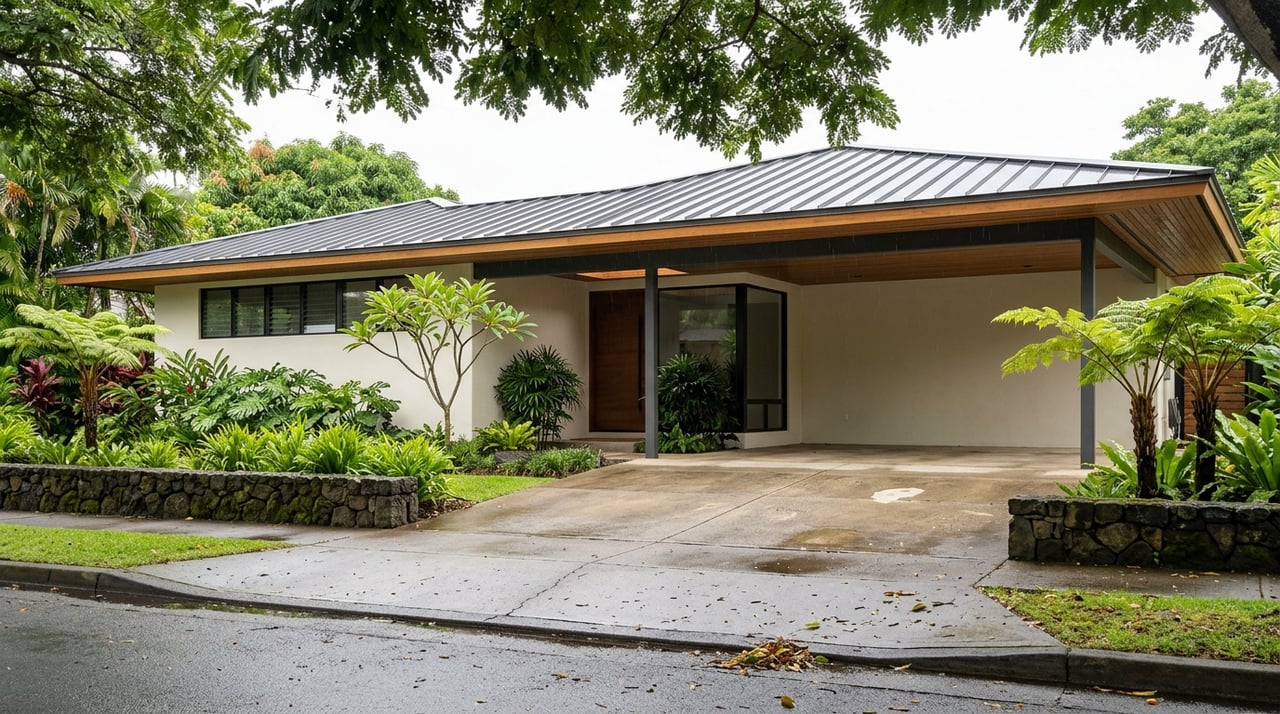
The housing stock is one of Mānoa’s biggest draws. Instead of rows of similar homes, you will find a layered mix of older character properties, renovated residences, and newer custom homes.
Historic Hawaiʻi Foundation reports that Mānoa has the island’s largest concentration of historic residences. Architectural styles and details include 1920s Craftsman homes, Tudor-style designs, bungalow variations, Hawaiian Vernacular elements, and Japanese-inspired features.
Preservation Matters Here
Mānoa is also a neighborhood where preservation comes up often in real estate conversations. Historic Hawaiʻi Foundation notes concerns about demolitions and oversized replacement homes, along with efforts dating back to 1995 to create a Mānoa Valley Special District by city ordinance.
For you as a buyer or seller, that means neighborhood character is not an afterthought. It is part of how many people understand and value Mānoa as a place to live.
Everyday Life in Mānoa
Errands and Local Conveniences
For daily needs, Mānoa Marketplace is a central part of the neighborhood routine. Its farmers market runs every Tuesday, Thursday, and Sunday from 7 a.m. to 2 p.m. and features produce, flowers, and rotating vendors.
The market is held in the courtyard near the U.S. Post Office, and the Hawaiʻi Farm Bureau notes that there is ample free parking. For many residents, that adds a practical, easygoing rhythm to week-to-week errands.
Close to UH Mānoa and Town
UH Mānoa is physically embedded in the valley, which shapes the area’s energy and convenience. The university notes that the campus is about 4 miles from downtown Honolulu and 2.5 miles from Waikīkī.
That location can be a major benefit if you want to stay connected to central Honolulu while living in a greener residential area. It also helps explain why Mānoa often feels both tucked away and well-connected at the same time.
Nature Is Part of the Routine
Mānoa offers easy access to outdoor and cultural experiences that become part of everyday life for many residents. You may not hike every weekend, but living near well-known natural spaces changes the feel of a neighborhood.
Mānoa Falls Trail is one of Oʻahu’s best-known hikes, and the Hawaiʻi Department of Land and Natural Resources says it draws an annual average of about 200,000 visitors. That level of recognition makes the trail part of Mānoa’s identity, even for people who simply enjoy knowing it is nearby.
Getting Around Mānoa Valley
Driving and Transit Access
By car, access into Mānoa generally runs through a few main corridors. Directions from local institutions in the valley commonly route drivers from H-1 to Punahou Street and then to Mānoa Road, and UH Mānoa also notes that the campus is easily accessed from H-1.
If you use public transportation, TheBus Route 5 connects Mānoa with Ala Moana Center and travels through a main in-town corridor. UH Mānoa also notes that TheBus stops on campus at Sinclair Circle and nearby locations.
What to Know About Terrain
Mānoa’s beauty comes with some practical considerations. The terrain is wetter and steeper than many other Honolulu neighborhoods, and those conditions affect daily life.
DLNR has noted that the Mānoa Falls Trail has required maintenance and enhancements related to erosion, water runoff, and slippery conditions. The National Weather Service also documented a 2004 flood in which Mānoa Stream overflowed and flooded parts of the valley and the UH campus.
For homebuyers, this does not define every property the same way. But it does mean that topography, drainage, and exact location within the valley deserve careful attention when you evaluate a home.
Who Mānoa Valley Fits Best
Mānoa tends to appeal to people who want greenery, neighborhood character, and relatively easy access to UH Mānoa or town. It can be especially attractive if you appreciate older homes and a setting that feels established rather than brand new.
It may be less appealing if you strongly prefer dry weather, flatter streets, or a newer, more uniform low-maintenance environment. In that sense, Mānoa is not trying to be everything to everyone, and that is part of its appeal.
Why Buyers and Sellers Watch Mānoa Closely
For buyers, Mānoa offers a distinct lifestyle within Honolulu. The combination of lush scenery, historic housing character, and proximity to town creates a neighborhood experience that can be hard to duplicate elsewhere on Oʻahu.
For sellers, that same identity can be a real advantage. When a neighborhood has a clear sense of place, thoughtful pricing, presentation, and property positioning become even more important because buyers are often responding to both the home and the lifestyle around it.
If you are considering a move to or from Mānoa Valley, working with a team that understands Oʻahu’s neighborhood-by-neighborhood differences can make the process clearer and more strategic. For personalized guidance on buying, selling, or relocating, connect with Hokua Hawaii Realty, LLC.
FAQs
What is the weather like in Mānoa Valley?
- Mānoa is typically cooler and wetter than lower parts of Honolulu, and rainfall can vary a lot within the valley depending on how far mauka you are.
What kinds of homes are in Mānoa Valley?
- Mānoa has a layered housing mix that includes historic residences, older character homes, renovated properties, and newer custom builds.
Is Mānoa Valley close to downtown Honolulu?
- Yes. UH Mānoa reports that the campus is about 4 miles from downtown Honolulu and about 2.5 miles from Waikīkī.
What are daily errands like in Mānoa Valley?
- Many residents use Mānoa Marketplace for everyday needs, and its farmers market runs three days a week with produce, flowers, and rotating vendors.
Is Mānoa Valley a good fit for every buyer?
- Not always. Mānoa often fits buyers who want greenery, older neighborhood character, and access to town, but it may be less ideal if you prefer drier weather, flatter terrain, or newer low-maintenance surroundings.