If you are thinking about buying in Kaimuki, one question tends to come up fast: do you want the warmth of an older home or the ease of something more updated? That choice can feel exciting and a little overwhelming, especially in a neighborhood where the housing stock changes from block to block. The good news is that when you understand how Kaimuki is laid out, what to look for in vintage homes, and where updated properties need extra scrutiny, you can shop with much more confidence. Let’s dive in.
Why Kaimuki Feels So Distinct
Kaimuki is not a one-note neighborhood. Honolulu’s neighborhood geography plan and community reporting describe it as a hilly, generally low-rise area, with Waialae Avenue serving as the main commercial spine and with pockets that still feel older even as parts of the area have modernized.
That matters because your experience can shift quickly from one section of Kaimuki to another. Some blocks reflect planning patterns that date back to the 1920s, and the City Council has noted older buildings along Waialae Avenue in Old Kaimuki with distinctive larger overhangs. In practical terms, buyers are often choosing between homes with architectural character and homes designed around newer layouts and finishes.
Vintage Homes in Kaimuki
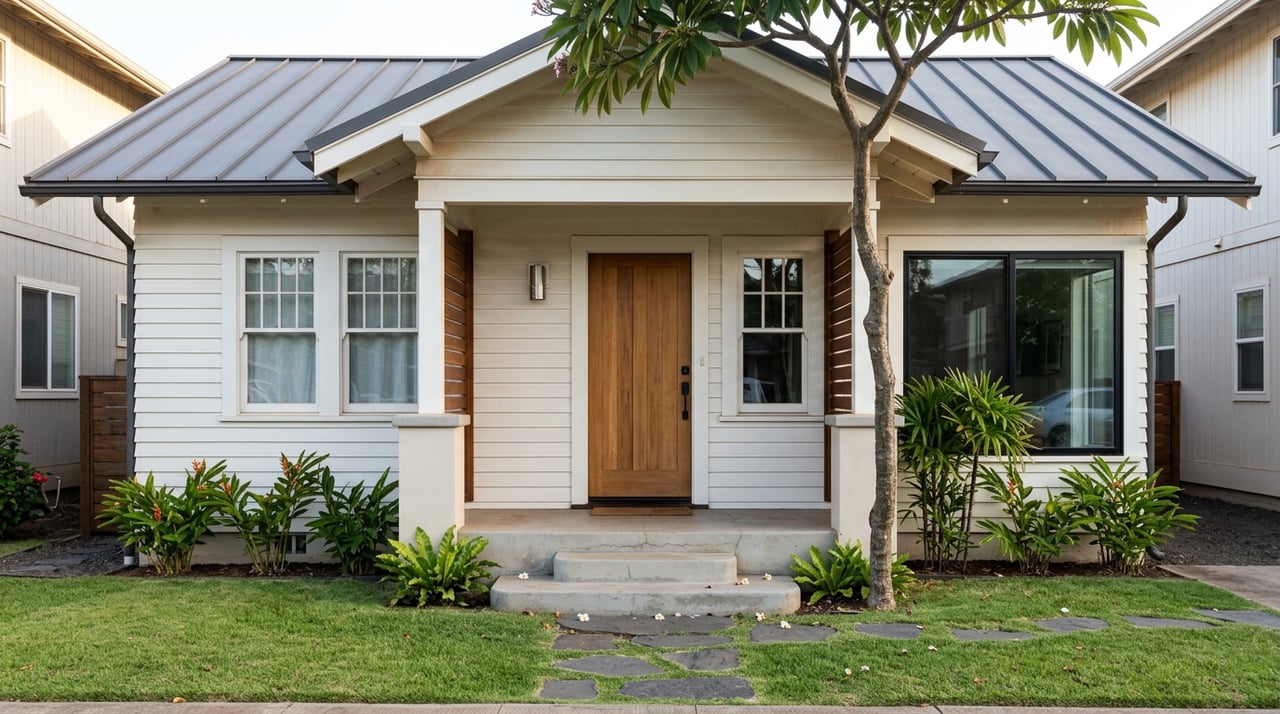
For many buyers, the appeal of a vintage Kaimuki home starts with personality. Older homes can offer details that are hard to recreate, along with a sense of place that feels tied to the neighborhood’s long history.
A clear example is the 1929 Dexter Residence on 10th Avenue, which the state describes as a two-story Craftsman-style bungalow and one of the few remaining examples of that style in the area. While not every older home in Kaimuki carries that level of recognition, it shows the kind of architectural character buyers may find in the neighborhood.
What draws buyers to older homes
Vintage homes in Kaimuki often stand out for features such as:
- Established architectural style
- Details tied to the neighborhood’s earlier development
- A more traditional street presence
- The charm that comes with homes in older pockets of the area
That said, charm should never replace due diligence. A home can be visually appealing and still require careful review of condition, maintenance history, and any past improvements.
Historic status can affect your plans
In Hawaii, properties that are more than 50 years old may be eligible for nomination to the Hawaiʻi Register. If a private property is listed, it may qualify for county tax benefits, but alterations to listed properties are subject to review by the State Historic Preservation Division.
This does not mean an older home is off-limits or impossible to update. It does mean you should understand whether a property has any historic designation and how that could shape future renovation plans.
Modern Updates and Rebuilt Homes
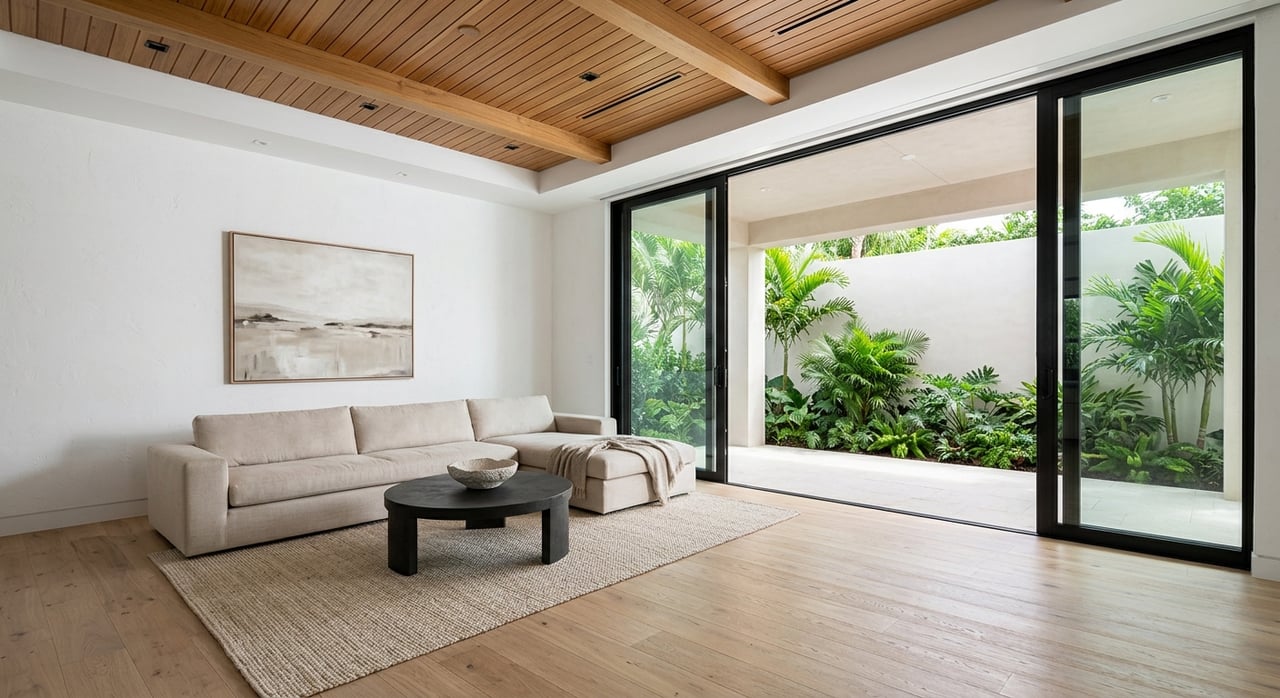
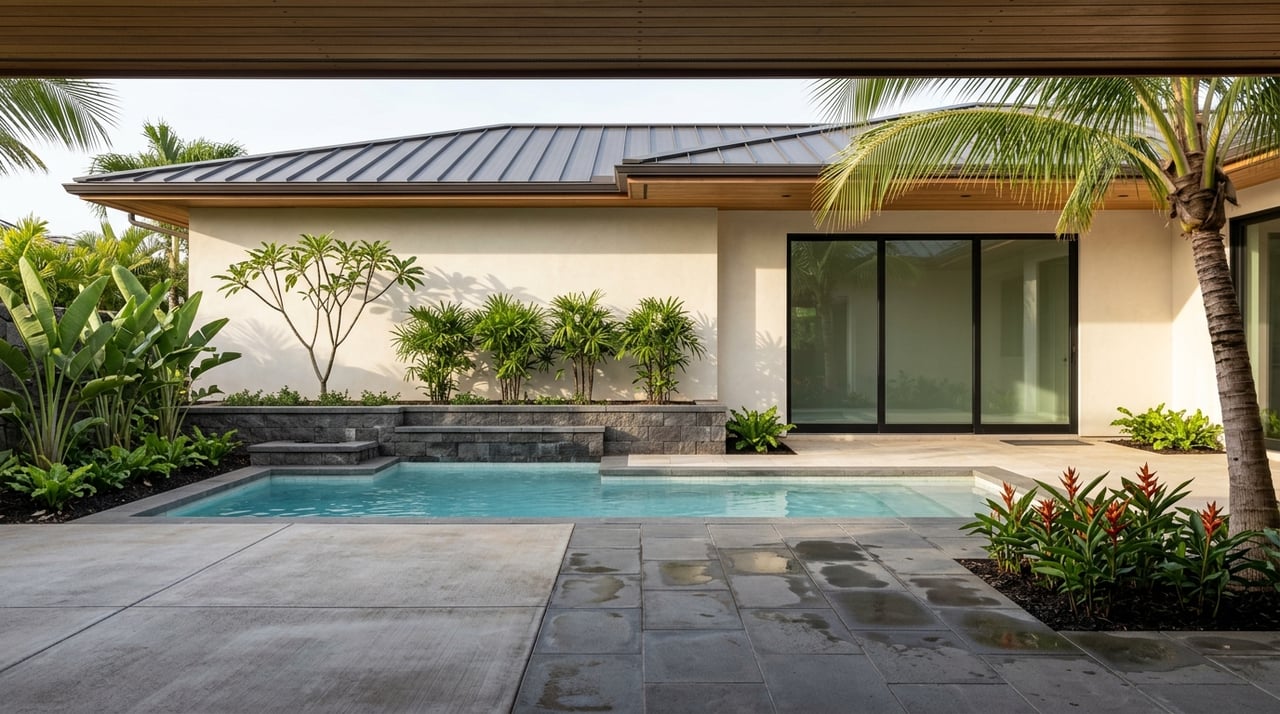
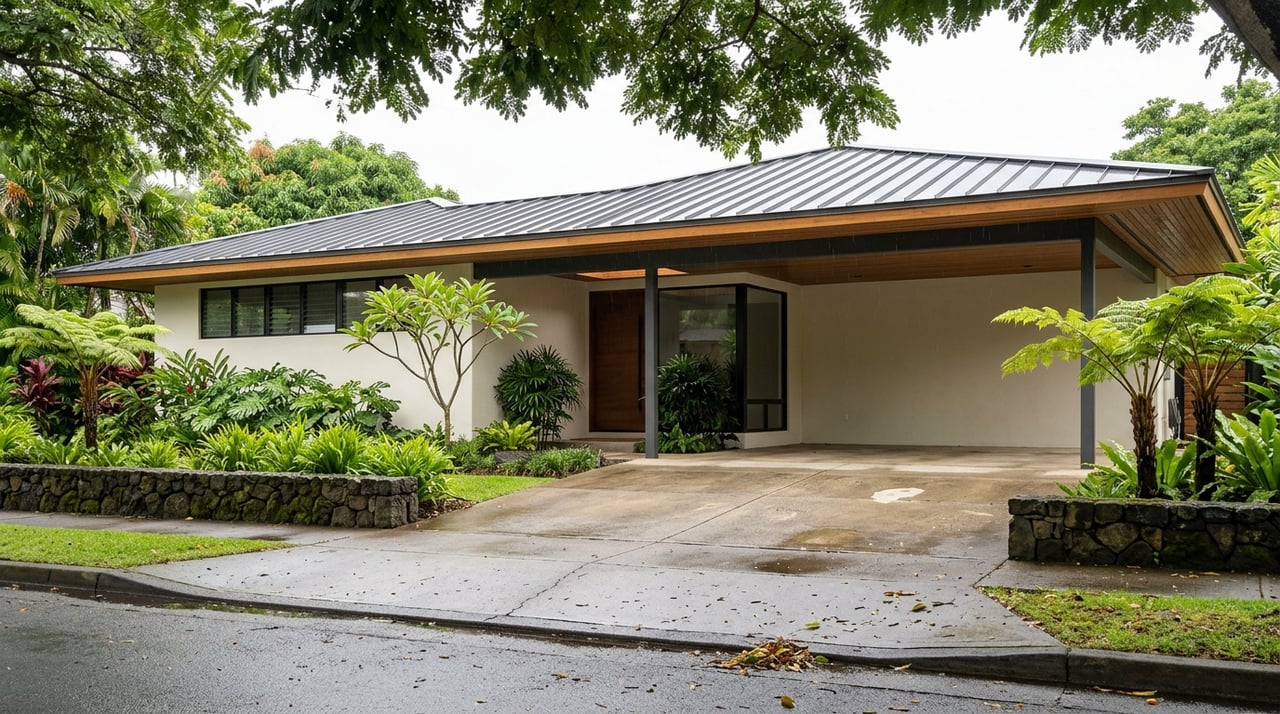
If your priority is move-in-ready living, a remodeled or rebuilt home may feel like the better fit. In Kaimuki, community reporting has noted that many original one-story wood homes have been replaced by newer two-story concrete structures with larger driveways and less greenery.
For some buyers, that trade-off works well. You may get a more contemporary layout, newer systems, and finishes that fit today’s lifestyle. For others, the home may feel less connected to the older streetscape that makes parts of Kaimuki so appealing.
Why newer does not always mean simpler
A polished remodel can be very attractive, but surface-level updates do not tell the whole story. Honolulu’s building code requires permits for work covered by the code, and permitted work is subject to inspection.
That means your focus should go beyond countertops, flooring, and paint. If a home has had additions, lanai enclosures, garage conversions, or major remodeling, you will want to know whether that work was properly permitted and inspected.
The Real Trade-Off: Character vs Convenience
When buyers compare vintage charm with modern updates in Kaimuki, the decision usually comes down to priorities. Neither option is automatically better. The right fit depends on how you want to live, what projects you are comfortable taking on, and how much uncertainty you are willing to manage.
Here is a simple way to think about the trade-off:
| Option | Potential Advantages | Key Questions |
|---|---|---|
| Vintage home | Architectural character, older neighborhood feel, unique details | What is the condition? Is there termite history? Is the property historic or over 50 years old? |
| Remodeled home | Updated finishes, potentially more modern layout, possibly less near-term cosmetic work | Were renovations permitted and inspected? What was changed behind the walls? |
| Rebuilt or replacement home | Newer structure, contemporary design, often larger footprint | Does the design fit your needs? How does the home sit on the block? What is the permit history? |
Kaimuki Due Diligence Matters More Than the Finish Level
Kaimuki is a strong example of why buyers should look past first impressions. Because the neighborhood includes preserved older homes, remodeled properties, and later replacement houses, your due diligence should be tailored to the specific home, not just the listing photos.
Check permits and inspection history
One of the most important questions in Kaimuki is whether work was permitted and inspected. This is especially relevant in older areas, where homes may have had decades of additions or modifications.
Ask clear questions about:
- Additions
- Lanai enclosures
- Garage conversions
- Major remodels
- Rebuilds or structural changes
If the property is historic or listed on the Hawaiʻi Register, State Historic Preservation Division review may also apply. That extra layer makes it even more important to understand the home’s status before you move forward.
Pay close attention to termites and wood condition
In Hawaii, termites are not a small issue. University of Hawaiʻi CTAHR states that the Formosan subterranean termite is the single most damaging insect pest in Hawaiʻi, and official termite materials emphasize that damage can be serious and quiet.
This is especially important when you are considering older homes in Kaimuki. You will want to review termite history, visible wood condition, and how accessible the home is for proper inspection. It is also worth remembering that the official termite inspection form states the report is not a warranty that termites are absent or that the structure is sound.
Look at landscaping and fire clearance
For homes with dense landscaping, slope exposure, or overhanging trees, exterior maintenance deserves a close look too. Honolulu Fire Department guidance says property owners must maintain a firebreak by clearing flammable vegetation within 30 feet of structures, with additional clearance sometimes required under hazardous conditions.
If you love a lush setting, that can still be a plus. You just want to understand the maintenance expectations that come with it.
Street-by-Street Livability Is a Big Deal
One of the most important things to know about Kaimuki is that it behaves like a collection of micro-markets rather than one uniform housing market. The research points to meaningful block-level differences in streetscape, housing style, and day-to-day usability.
Residents in the University of Hawaiʻi CTAHR community report described some streets as having narrow or missing sidewalks, uneven pavement, and parking pressure. Other blocks were praised for tree-lined streets and better pedestrian comfort.
What to notice when touring
When you visit a home, take a few extra minutes to evaluate the block itself. Try to notice:
- Sidewalk presence and condition
- Street width and parking pressure
- Slope and ease of access
- Tree cover and vegetation near the house
- How practical the location feels for your daily routine
The City’s FY24 Complete Streets Annual Report also notes planning activity in the Kaimuki, Kapahulu, Kāhala, and Diamond Head area for missing crosswalks, curb extensions, missing walkways, and bike lanes. That reinforces the idea that walkability and access can vary significantly depending on where you are in the neighborhood.
Price Signals Show Kaimuki’s Premium Position
Market data also helps explain why these details matter. Redfin reported that in March 2026, Kaimuki’s median sale price was $1.3 million, up 2.4% year over year, compared with a Honolulu-wide median sale price of $605,000.
That gap suggests Kaimuki operates as a premium micro-market within Honolulu. In a market like that, buyers often place real value on lot position, renovation quality, and how livable a specific block feels, not just square footage or a fresh remodel.
How to Decide What Fits You Best
If you are torn between a vintage home and a more updated property, start by narrowing your priorities. The answer usually becomes clearer when you focus on how you want the home to function for your life, rather than on style alone.
Ask yourself:
- Do you want original character enough to take on more maintenance risk?
- Would you rather pay for recent updates if the permit history checks out?
- Are you comfortable evaluating older systems and wood condition?
- How important are parking, sidewalks, and daily walkability on your specific block?
- If the home is older, would historic status affect your renovation plans?
In Kaimuki, the smartest buying decisions usually come from balancing emotion with verification. The charm is real, and the appeal of newer updates is real too, but the best result comes from understanding exactly what you are buying.
Whether you are comparing a classic older residence, a polished remodel, or a rebuilt home with a more modern footprint, local block-by-block guidance can make a big difference. If you want help weighing Kaimuki’s vintage charm against modern updates, connect with Hokua Hawaii Realty, LLC for personalized Oahu guidance rooted in neighborhood insight and high-touch service.
FAQs
What makes buying a home in Kaimuki different from other Honolulu neighborhoods?
- Kaimuki is a micro-market with meaningful block-by-block differences in home style, streetscape, parking, sidewalks, and overall livability, so buyers need to evaluate both the house and the specific block.
What should buyers check when considering an older Kaimuki home?
- You should look closely at termite history, wood condition, maintenance needs, any signs of unpermitted additions or alterations, and whether the property may be over 50 years old or have historic relevance.
Why do permitted renovations matter when buying a remodeled Kaimuki property?
- Honolulu requires permits for work covered by the building code, and permitted work is subject to inspection, so buyers should confirm that major improvements like additions, enclosures, and conversions were properly approved.
Can a historic Kaimuki home still be altered or renovated?
- Yes, but if a property is listed on the Hawaiʻi Register, alterations are subject to review by the State Historic Preservation Division, so buyers should understand that status before planning changes.
What neighborhood factors should buyers notice when touring homes in Kaimuki?
- Pay attention to sidewalk conditions, street width, parking pressure, slope, vegetation near the structure, and how practical the block feels for your normal day-to-day use.