Dreaming about waking up steps from one of Oahu’s most photographed shorelines? Owning a beach home in Lanikai can be incredibly rewarding, but it also comes with realities that are very different from owning inland. If you are considering a purchase here, it helps to understand the neighborhood’s history, housing mix, access challenges, and shoreline risks before you make a move. Let’s dive in.
Lanikai feels residential, not resort-like
One of the first things to know about Lanikai is that it is a small residential beach neighborhood, not a resort district. Its character comes from a 1924 subdivision of fee-simple beach lots, with the first permanent homes built around 1926. By the 1950s, the area had shifted from more of a second-home retreat into a permanent residential community, which still shapes how it feels today.
That history matters when you shop for property here. Lanikai’s layout and scale reflect its early beach-house roots, so you are looking at a neighborhood defined by detached homes, low-rise surroundings, and a more intimate coastal setting than many buyers expect from a famous beach destination. According to the State Historic Preservation Division’s documentation of early Lanikai homes, that original development pattern remains central to the neighborhood’s identity.
Housing in Lanikai spans old and new
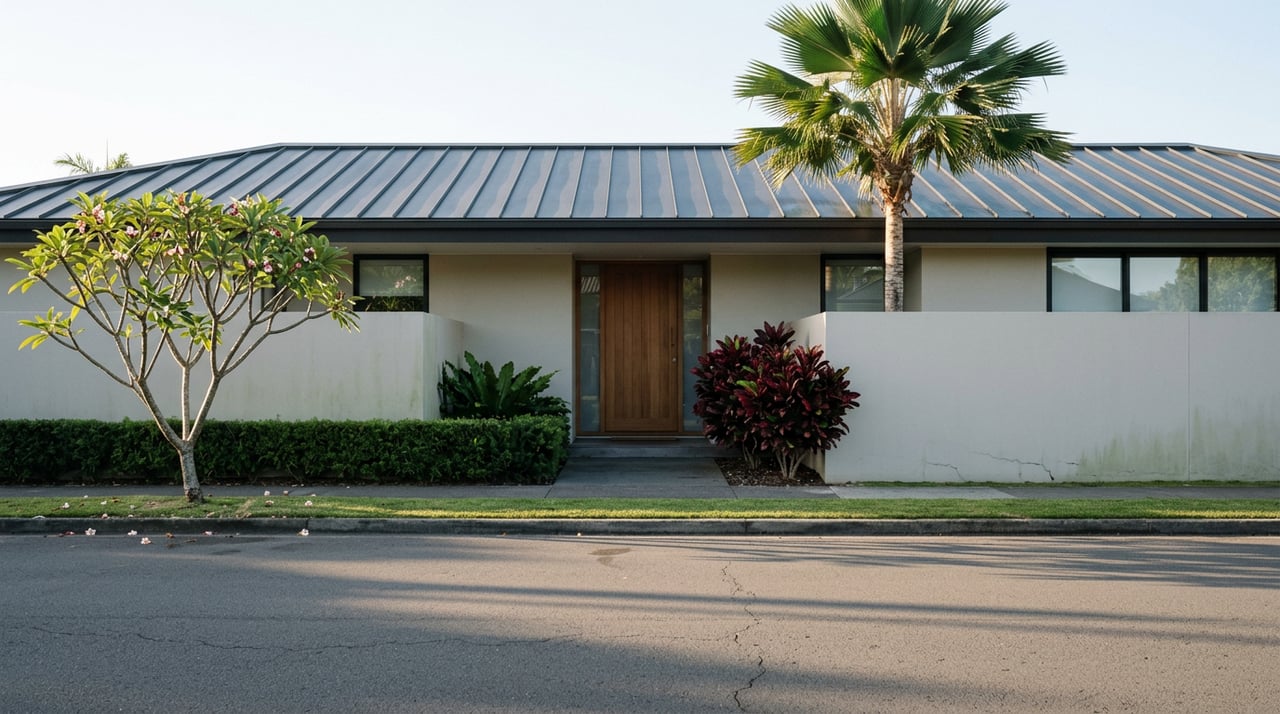
If you picture a single home style in Lanikai, you may be surprised. The neighborhood includes a mix of older beach cottages, historically significant homes, and later custom residences. Over time, many original cottages were replaced by larger houses, creating a streetscape where architectural eras can sit side by side.
Historic records describe early Lanikai homes as a blend of Craftsman bungalow, plantation modern, Hawaiian bungalow, and regionally adapted beach-house design. You can see that evolution in the neighborhood today, where some properties still reflect the area’s earlier character while others were built much later. The Pinkerton Beach House nomination materials and related preservation records offer a useful look at how that housing stock changed over time.
Beach access is beautiful but limited
Living near the shoreline in Lanikai sounds simple until you consider access logistics. Lanikai Beach is reached through a mix of public and private shoreline access points, but the area has no public parking lots, and the beach itself has no restrooms, showers, or lifeguards. That limited infrastructure shapes daily life for owners as much as it shapes the visitor experience.
The same issue affects the Lanikai Pillbox Trail area. The City and County of Honolulu notes that the trail is reached from private property off Kaʻelepulu Drive and also lacks parking or major support infrastructure at the trailhead. The city’s Lanikai Transportation Management Plan makes clear that demand regularly exceeds what the neighborhood’s roads and access points can comfortably handle.
Parking and traffic can affect ownership
For many buyers, this is one of the biggest lifestyle adjustments. Lanikai’s roads, parking supply, and beach access points are limited and constrained, while visitor demand remains high. The city specifically says that the combination of regular residential access and heavy visitor pressure places excessive strain on transportation resources in the neighborhood.
In practical terms, you should expect that guest parking, deliveries, contractor visits, and busy beach-day traffic may be more difficult here than in a typical suburban neighborhood. Weekends, holidays, and summer periods are especially important to think about because the city has used temporary parking restrictions during peak periods and has discussed additional transportation strategies. A city update on holiday parking restrictions shows how these access issues can directly affect the area.
Climate is mild, but coastal exposure matters
Hawaii’s climate is one reason buyers are drawn to oceanfront and near-ocean homes in the first place. The National Weather Service notes that the islands generally have mild year-round conditions, moderate humidity, and persistent northeasterly trade winds. Warmest months are usually August and September, while February and March tend to be coolest, according to the National Weather Service climate summary.
For nearby Kaneohe Bay MCAS, NOAA climate normals show an annual mean temperature of 76.6°F and annual precipitation of 27.82 inches. Monthly averages are coolest in February and warmest in September, with wetter winter months than summer months. You can review those figures in the NOAA monthly climate normals data.
That said, mild weather does not erase the realities of coastal exposure. Salt air, wind, and storm conditions can all influence maintenance, material choices, and long-term property planning in ways that inland homeowners may not face to the same degree.
Shoreline change is a key long-term issue
If you are serious about owning a beach home in Lanikai, shoreline conditions deserve close attention. The state climate portal identifies Lanikai among beaches already affected by chronic erosion, and DLNR says 70% of Hawaii beaches are experiencing coastal erosion. Shoreline conditions can vary by segment, so there is no one-size-fits-all answer for every property.
The Hawaii Climate Change Mitigation and Adaptation Commission’s coastal erosion overview and a USGS shoreline change report both point to that uneven pattern. USGS found that while parts of central Lanikai have accreted in places, shoreline to the north and south has also been lost to erosion and seawalls. For a buyer, this means you should evaluate the specific location of any home very carefully rather than relying on broad assumptions about the whole neighborhood.
Hazard history should be part of your planning
Beachfront living always comes with a different risk profile, and Lanikai has a documented hazard history. Historic records show that the 1946 Aleutian tsunami caused major damage in the area, with dozens of houses needing major or minor repairs afterward. That does not define every present-day ownership decision, but it does show why hazard awareness is part of responsible buying here.
Coastal ownership is not just about views and proximity to the sand. It is also about understanding the site, the shoreline, and how natural events have affected the area over time. Historic preservation documentation, including the Pinkerton Beach House nomination, provides useful context for that history.
Stewardship is part of owning here
Owning in Lanikai is not only a real estate decision. It is also a stewardship decision. Hawaii’s coastal-zone framework is designed to reduce hazard to life and property through shoreline setbacks and design requirements, while also distinguishing shoreline hardening from softer approaches like beach and dune restoration.
The state’s coastal hazards guidance is a strong reminder that shoreline-area ownership often involves more regulation and more review than buyers expect. In Lanikai, that can affect renovation plans, shoreline-related work, and long-term property strategy. If a home has historic significance, renovation may also involve preservation review through the State Historic Preservation Division.
What to review before you buy
A beach home purchase in Lanikai should come with deeper due diligence than a typical inland purchase. The goal is not to create fear. It is to help you make a clear, informed decision that fits your lifestyle and long-term plans.
Here are some practical items to review:
- Verify shoreline setback conditions
- Ask about flood or erosion exposure
- Review any history of seawalls or shoreline repairs
- Confirm access easements that affect the property
- Understand guest parking and delivery logistics
- Check whether historic-designation issues may apply
- Ask how prior owners handled maintenance related to wind, salt air, and coastal exposure
These points align with Hawaii’s coastal planning guidance and are especially important in a neighborhood where shoreline conditions, access, and permitting can shape ownership more than buyers initially realize.
Why local guidance matters in Lanikai
Lanikai is one of those neighborhoods where the details matter. Two homes may be close to each other geographically, yet differ meaningfully in access, parking practicality, shoreline context, renovation constraints, or historic considerations. That is why neighborhood-level guidance is so valuable when you are comparing options.
If you are weighing whether a Lanikai beach home fits your goals, the right support can help you look beyond the view and understand the full ownership picture. Working with a local team that understands Oahu’s micro-markets, coastal considerations, and buyer due diligence can help you move forward with more confidence. When you are ready to explore your options, connect with Hokua Hawaii Realty, LLC for personalized guidance tailored to your goals.
FAQs
What is Lanikai like for full-time beach home ownership?
- Lanikai is a low-rise residential beach neighborhood that evolved from a historic second-home area into a more permanent residential community by the 1950s.
Can you park easily near a Lanikai beach home?
- Parking is limited, street-based, and constrained by heavy visitor demand, with no public parking lots serving Lanikai Beach.
Is shoreline erosion a concern in Lanikai?
- Yes. Shoreline behavior varies by location, but state and federal sources identify Lanikai as an area affected by ongoing erosion.
Are Lanikai homes subject to extra regulation?
- They can be, especially for shoreline-related work, setback issues, and possible historic-preservation review on certain properties.
What makes owning in Lanikai different from owning inland on Oahu?
- The biggest differences are access logistics, visitor pressure, coastal exposure, shoreline stewardship, and permitting considerations tied to the area’s beach setting.