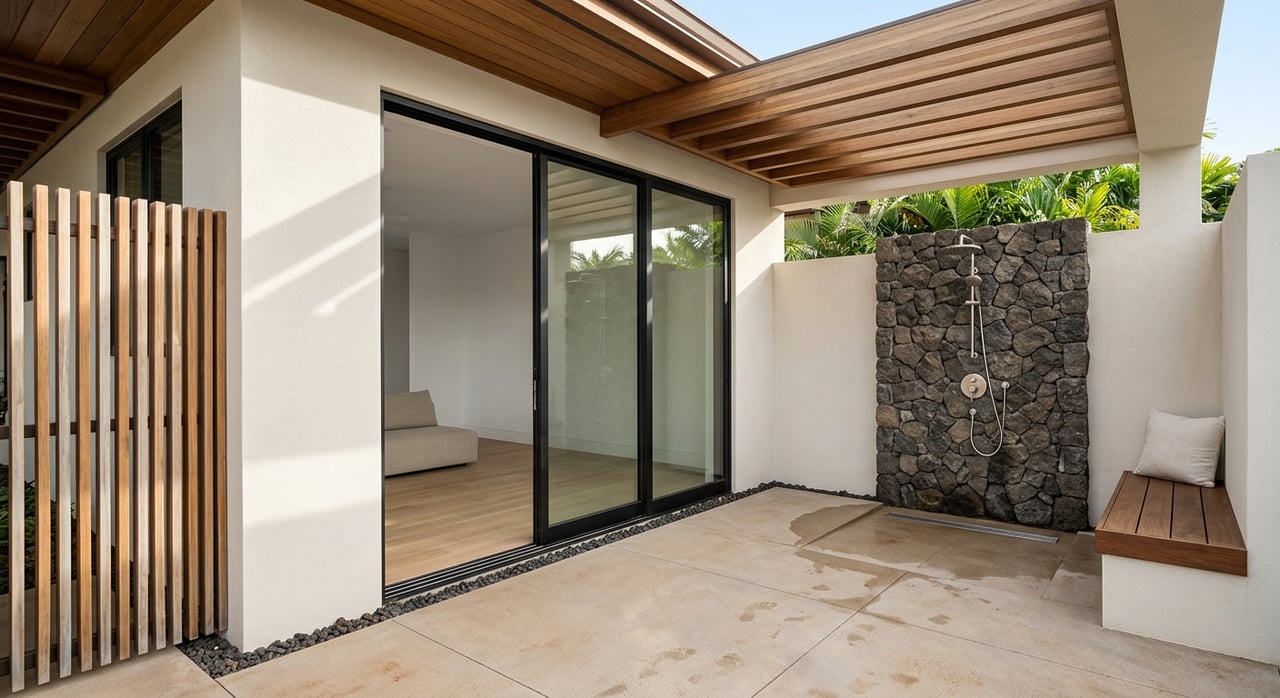
Dreaming about waking up near Haleiwa’s surf breaks and small-town North Shore energy? Buying here can be exciting, but it also comes with tradeoffs that are very different from a typical Oahu purchase. If you are thinking about a primary home, second home, or long-term hold in Haleiwa, this guide will help you understand pricing, seasonality, rental rules, and property risks so you can make a smarter decision. Let’s dive in.
Why Haleiwa Feels Different
Haleiwa is the historic town center of Oahu’s North Shore and one of the area’s main commercial and civic hubs. It has a true surf-town identity, but it also serves a broader regional role. According to the North Shore profile and planning documents, the area sees a strong visitor presence, with many Oahu air visitors spending time on the North Shore.
That visitor activity shapes the ownership experience. In winter, surf season brings more people, more traffic, and more parking pressure. NOAA notes that the North Shore’s best-known surf conditions typically peak from about October through March, when North Pacific swells hit north-facing shores, which often means a busier winter and a quieter summer rhythm for homeowners. Read more in this NOAA North Shore overview.
Haleiwa Housing at a Glance
Haleiwa is a small market, and that matters when you are shopping. Census Reporter data shows about 4,948 residents, 1,723 households, and 1,911 housing units. Detached single-family homes make up about 70.4% of the housing stock, so buyers often focus on stand-alone homes rather than a large condo inventory.
Pricing is high by any standard, and inventory is thin. The same local housing snapshot shows a median owner-occupied home value of $1.09 million, while broader North Shore reporting from DBEDT put the 2023 median single-family sales price at $1.2 million and the condo median at $795,000. More recent Zillow Haleiwa market data reported a home-value index of $1,608,941 as of January 31, 2026, with only 26 homes for sale and 4 new listings.
That kind of spread tells you something important. In Haleiwa, price can move sharply based on lot size, condition, views, location, and legal use. Two homes may look similar online but carry very different value once you account for site conditions and what you can legally do with the property.
What Buyers Should Expect on Price
If you are coming from a more liquid suburban market, Haleiwa may feel harder to read. Redfin figures cited in the market data showed a February 2026 median sale price of $1.79 million, a median list price of $2.383 million, and an average time to sale of about 106.5 days. That points to a market where pricing expectations can vary and listings may take time to find the right buyer.
For you as a buyer, this means patience matters. Thin inventory can create urgency, but it can also make comparisons tricky. A careful review of recent sales, lot characteristics, and legal use is especially important in a place where every property can have its own story.
Seasonal Living Matters
A home in Haleiwa is often a lifestyle-first purchase. The area’s appeal is tied closely to ocean access, surf culture, and the North Shore’s seasonal flow. That can be a huge plus if you want a home base with personality and a strong sense of place.
It also means your day-to-day experience may change by season. During winter surf months, roads, beaches, and parking areas can feel much more active. During summer, the town can feel calmer and more local, which some owners prefer for everyday living.
Short-Term Rental Rules Need Extra Attention
One of the biggest mistakes buyers can make is assuming a Haleiwa home can be used as a nightly or weekly rental. The City and County of Honolulu’s current LUO summary says short-term rentals under 90 days are allowed only in limited areas, such as resort zoning districts, selected Waikiki precincts, certain areas near Ko Olina and Turtle Bay, and parcels with pre-1989 nonconforming use certificates.
For most residentially zoned property, that use is prohibited. The city also notes that only about 770 permitted nonconforming units remain. In practical terms, if you are buying a standard single-family home in Haleiwa, you should not assume it can legally function as a short-term vacation rental.
That is why property-specific due diligence is essential. You will want to confirm zoning, any nonconforming use status, and current city requirements before you rely on rental income in your purchase decision.
Taxes and Legal Use Affect Your Numbers
If you plan to rent out the property in any form, tax rules matter. According to the Hawaii Department of Taxation rental guidance, rental proceeds from Hawaii real property are generally subject to income tax and GET. If the property is a transient accommodation, it may also be subject to TAT, and anyone renting a transient accommodation for fewer than 180 consecutive days needs a TAT registration certificate.
Property tax classification also affects carrying costs. Honolulu’s FY2025-26 real property tax information shows different rates for Residential, Residential A, Bed and Breakfast, Transient Vacation, and Hotel/Resort uses. If your intended use changes the tax classification, your annual ownership cost can change with it.
This is one reason Haleiwa tends to work best for buyers who are focused first on personal use, long-term enjoyment, or possibly long-term leasing, rather than easy short-term rental income.
Coastal Risk Is Part of Ownership
Buying near the coast in Hawaii means paying close attention to site conditions. The Hawaii Coastal Zone Management Program’s 2026 assessment says shoreline erosion, sea-level rise, and high-wave flooding are active issues statewide. The report also notes two North Shore home collapses in 2022 and 2024.
That does not mean every Haleiwa property faces the same level of risk. It does mean you should look closely at flood exposure, erosion patterns, drainage, shoreline setbacks, and the condition and permitting of any improvements. On the North Shore, these details can affect financing, insurance, maintenance costs, and long-term value.
For many buyers, this is where local guidance adds real value. A home that looks ideal in photos may require more upkeep or risk review than you would expect in a more typical inland neighborhood.
Maintenance Costs Can Be Higher
Coastal living can be beautiful, but it is rarely low maintenance. Salt air, moisture, wind, and storm exposure can wear on exterior materials faster than in other settings. If a property sits in a more exposed location, you may need to budget more carefully for roofing, drainage, paint, hardware, and exterior upkeep.
The same coastal hazard guidance supports a more cautious ownership mindset. Insurance options, design features, and prior improvements all deserve close review. In Haleiwa, smart buying is not just about the purchase price. It is also about the cost of owning the home well over time.
Haleiwa as a Long-Term Investment
Haleiwa attracts both local and non-local interest, but it does not behave like a high-volume mainland market. DBEDT’s North Shore report found that 23.8% of 2023 North Shore sales went to mainland buyers, while 76.2% went to local buyers. The same report also noted a 20.4% vacancy rate across the broader region, a figure that includes second homes and short-term rentals.
For you, that points to a market with strong lifestyle appeal but less liquidity than a standard suburban market. Homes can hold long-term value because supply is limited and demand for North Shore ownership stays strong. At the same time, resale timing, buyer pool depth, and legal use all matter more here than they might elsewhere.
A Smart Haleiwa Buying Checklist
Before you make an offer, focus on the basics that matter most in this market:
- Confirm zoning and legal use
- Verify whether any short-term rental rights are actually permitted
- Review flood, erosion, and drainage conditions
- Understand insurance availability and likely costs
- Check property tax classification and carrying costs
- Review permits for additions, decks, seawalls, or other improvements
- Compare the home’s condition, lot size, and location against recent sales
- Think about how winter seasonality may affect your use of the property
A Haleiwa purchase can be incredibly rewarding when the property matches your goals. It is just important to buy with clear eyes and a solid local strategy.
Work With an Oahu-Native Lens
If you are buying a surf-town home in Haleiwa, you need more than a quick online search and a dream board. You need a clear read on the property, the block, the legal use, and the long-term ownership picture. That is where local market knowledge and careful guidance can make a real difference.
If you want thoughtful help evaluating Haleiwa homes and the bigger Oahu market, connect with Hokua Hawaii Realty, LLC. Their boutique, owner-led approach can help you weigh the lifestyle upside, the practical risks, and the right next move for your goals.
FAQs
What should buyers know about Haleiwa home prices?
- Haleiwa is a small, high-priced market with limited inventory. Home values and sale prices can vary widely based on lot size, condition, views, and legal use.
Can you use a Haleiwa house as a short-term rental?
- You should not assume that you can. Honolulu rules generally prohibit short-term rentals under 90 days in residential zones unless a property falls within a limited permitted category.
What makes owning a home in Haleiwa different by season?
- Winter surf season usually brings more traffic, parking pressure, and visitor activity, while summer often feels quieter and more local.
Why is coastal due diligence important when buying in Haleiwa?
- Coastal properties may face added exposure to erosion, flooding, drainage issues, and higher maintenance demands, so site-specific review is especially important.
Is Haleiwa better for personal use or investment income?
- For many buyers, Haleiwa works best as a lifestyle-first purchase for personal use or long-term enjoyment. It may be less ideal if your plan depends on easy nightly rental income.