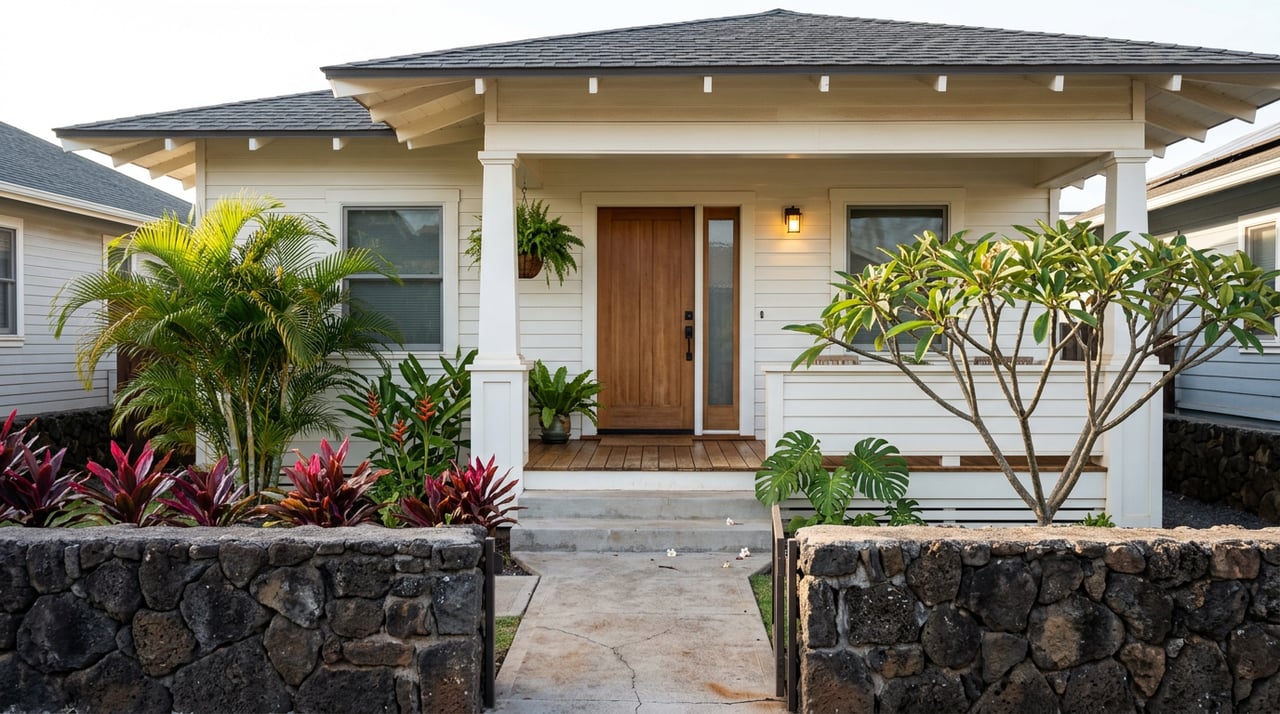
If you want small-town-in-the-city living with real character, Kaimukī delivers. You can stroll to brunch on Waiʻalae Avenue, browse indie shops, then come home to a breezy 1920s bungalow on a tree-lined street. Whether you are relocating or just exploring new pockets of Honolulu, you will find a mix of history, food, and community here. In this guide, you will learn where Kaimukī sits, what homes look like, typical price ranges, renovation realities, and how ADUs or ʻohana units work. Let’s dive in.
Location and neighborhood vibe
Kaimukī sits inland from Diamond Head between Waikīkī and Kāhala, with its commercial heart along Waiʻalae Avenue and nearby 10th Avenue. It is generally associated with ZIP code 96816 and falls within Honolulu’s urban core. For a clear map view and boundary context, see this geography reference for Honolulu neighborhoods and districts from the Hawaii Housing Data Warehouse (Geography Documentation).
The day-to-day feel is friendly and low-key. You will find local cafes and boutiques over big-box stores, plus a grassroots pride in keeping the area independent. The community-led “Keep It Kaimukī” movement often organizes small events and activations that celebrate local businesses and artists. This adds to the neighborhood’s welcoming, walkable energy compared with more tourist-oriented districts.
A short history you can feel
Kaimukī grew as a planned suburb in the early 1900s, after developers added water infrastructure and a streetcar line along Waiʻalae Avenue in 1903. Many homes went up between the 1910s and 1940s, including some catalog and prefabricated houses shipped from the mainland. Puʻu o Kaimukī, or Kaimukī Hill, has long been a landmark, once used for a reservoir and telegraph site and now a small public park. These roots help explain the compact lots, older bungalows, and the long-standing commercial corridor you see today (Historic Hawaiʻi Foundation overview).
Housing stock and lot patterns
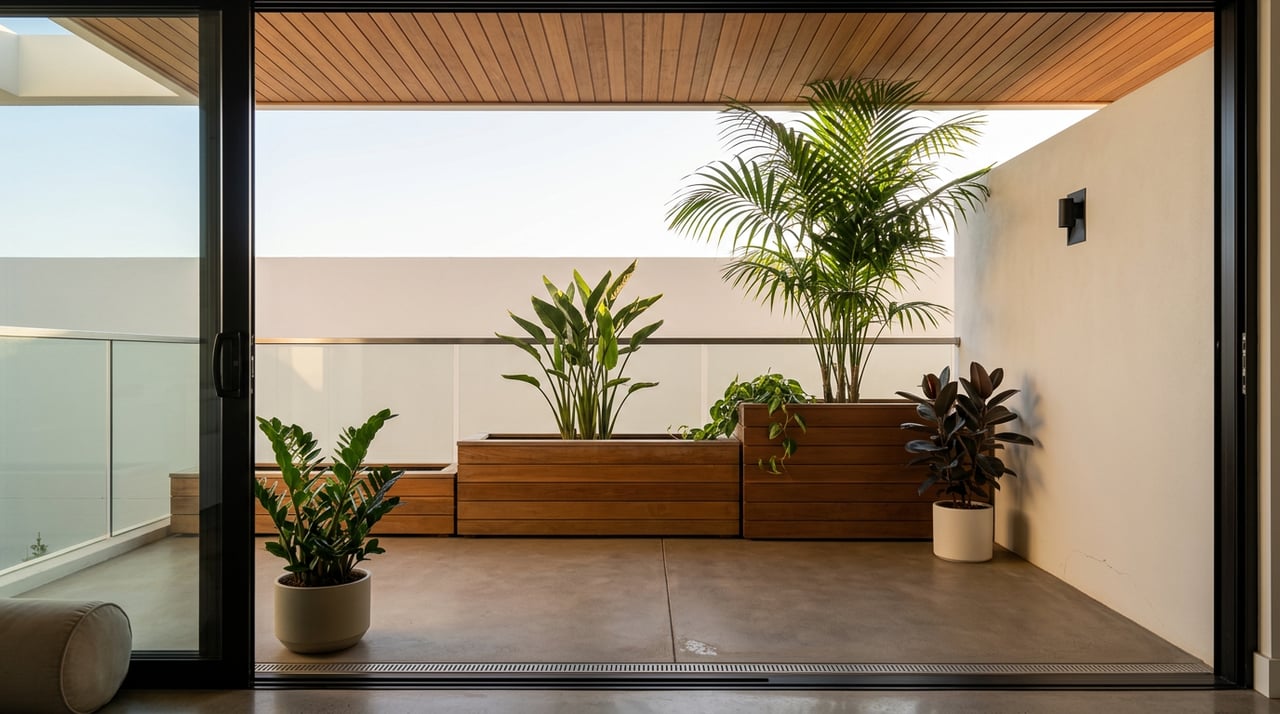
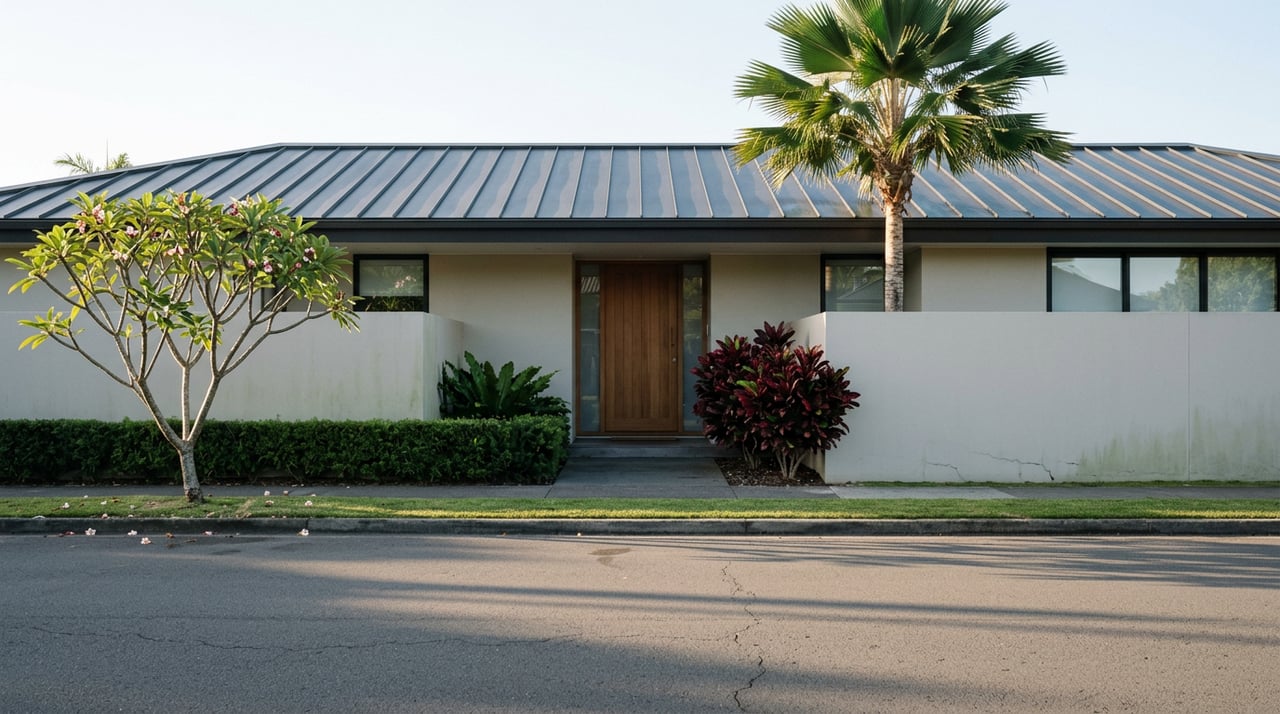
You will mostly see single-family bungalows and plantation-era homes, many built from the 1920s through the 1940s. Some are single-wall construction and still show original details like high ceilings, hardwood floors, and jalousie windows. You will also find 1950s to 1970s homes with a boxier look, along with newer infill or rebuilds on older lots.
Typical lots in walkable pockets run about 3,000 to 6,000 square feet. House sizes often range from about 1,000 to 2,500 square feet, depending on additions or an ʻohana unit. Parking can be tight. Expect a single carport or garage plus street parking. The trade-off is simple. You get a lively, walkable lifestyle, but you give up a big yard or multi-car driveway.
Hillside sub-neighborhoods like Wilhelmina Rise and Maunalani Heights offer views and cooler mauka breezes. Streets can be steeper, and homes may have more stairs. Many buyers balance slope, parking, and access with the upside of vistas and privacy.
What you can expect to pay
Kaimukī pricing is higher than many mainland markets and typically lower than Honolulu’s top luxury enclaves. As of late 2025 to early 2026, broad snapshots show a spread by condition. Fixer bungalows can start in the high six figures to low seven figures. Renovated homes in prime locations often land in the low to mid seven figures. For island-wide context, Oʻahu’s single-family median sale prices in Q3 2025 were reported around 1.07 to 1.18 million dollars. Exact numbers change with market conditions and listing mix.
Two tips help you price a specific home:
- Compare by micro-location and slope. A flat lot a few blocks off Waiʻalae can price differently than a similar house higher on the hill.
- Compare by scope. A lightly updated bungalow will not track with a down-to-studs remodel on a similar lot.
If you plan to sell or buy soon, ask for an up-to-date micro-market review and on-the-ground comps. Inventory shifts quickly in this neighborhood.
Daily life and local flavor
Waiʻalae Avenue is the heart of Kaimukī. The stretch roughly between 8th and 13th Avenues, plus nearby 10th Avenue, packs in a dense lineup of cafes, bakeries, boutiques, and restaurants. Local guides often cite standouts like Town, Mud Hen Water, Koko Head Café, and Via Gelato to show the range from chef-driven to casual treats. For an overview of the corridor’s dining density and vibe, see this neighborhood profile of Kaimukī’s food scene (Living In Hawaii guide).
Community spirit plays a big role here. The “Keep It Kaimukī” movement gives the commercial strip a curated, neighborhood-first feel, and periodic events bring locals out to support independent businesses. You can read about how small businesses have rallied around this idea in Civil Beat’s coverage of Kaimukī’s Saturday activations (community story).
Parks, trails, and viewpoints
You can pop up to Puʻu o Kaimukī for a quick lookout over town and the ocean. On the mauka side, trail connections near Wilhelmina Rise and Maunalani Heights offer short hikes and views. Diamond Head State Monument and Kapiʻolani Park are just a short drive away for beach time, tennis, and open lawns. These close-by options make it easy to fit fresh air into your week (historic overview for context).
Schools and community resources
Public schools serving the area include Kaimukī High School and Kaimukī Middle. School attendance zones can change, so verify the exact school for any specific address. For neutral background on Kaimukī High, see its general profile (Kaimukī High School). The neighborhood also has a public library, small parks, and ongoing community events that strengthen the small-town feel many residents enjoy.
Owning and updating an older home
Vintage charm comes with homeowner homework. Across Oʻahu, Formosan subterranean termites are a major risk and can cause hidden structural damage. A separate termite inspection and ongoing protection plan are essential for older houses (University of Hawaiʻi termite guidance). Other common legacy items include aging electrical systems, older plumbing like galvanized piping, minimal insulation, original single-wall construction, and jalousie windows that may not meet your comfort goals.
Budgeting is key. Local guides suggest planning-level ranges from cosmetic refreshes to mid-level system upgrades in the tens of thousands, while full kitchen and bath updates with electrical, plumbing, and termite remediation can push costs into the 50,000 to 150,000 dollars or more depending on scope (Kaimukī neighborhood guide). Always get professional estimates. Material and labor costs vary by contractor availability and design choices.
Here is a practical pre-purchase checklist for older homes:
- Order a full home inspection plus a separate termite inspection.
- Get trade estimates for roof, electrical, and plumbing.
- Confirm permit history for past additions or ʻohana conversions.
- If you plan an addition or ADU, schedule a pre-permit consultation with Honolulu DPP or a local permitting specialist. Building without proper permits can create title and resale problems later (permitting overview).
ADUs and ʻohana units in Kaimukī
Honolulu updated land-use rules through 2025 that affect Accessory Dwelling Units and ʻohana units. The intent is to clarify where ADUs and ʻohanas are allowed, set maximum sizes, and outline parking and infrastructure requirements. These changes matter if you want multigenerational living or long-term rental income. You can review the City legislative record for the latest guidance and ordinance text (ADU and ʻohana updates).
What is the difference in simple terms? ʻOhana units were historically designed for family occupancy. ADUs can usually be rented long term if they meet current rules. Actual approvals depend on your parcel’s zoning, lot size, wastewater capacity, street access, and parking. Before you buy a home with a second unit, verify that the space is legally permitted. Some properties have informal conversions that may not meet today’s standards. A quick DPP check can save you stress and money.
Is Kaimukī a fit for you?
Choose Kaimukī if you want a lively, walkable daily rhythm with an independent food scene and genuine neighborhood ties. You will trade a big yard and multi-car parking for easy access to cafes, services, and events. If you lean toward hillside living, you will gain views and breezes but navigate steeper streets and more stairs. For many residents, the balance is worth it. Kaimukī feels close-knit, authentic, and central to the best of town life.
Work with a trusted neighborhood guide
Buying or selling in an older, character-rich neighborhood takes a steady hand. From pricing a vintage bungalow to planning a value-add refresh or confirming ADU options, you deserve owner-led guidance and premium presentation. Our boutique team pairs deep Oʻahu market knowledge with white-glove marketing, professional staging, and clear communication at every step.
If Kaimukī is on your list, let’s talk strategy, timing, and budget. For sellers, we can position your home to highlight its history and lifestyle story. For buyers, we will help you weigh location, slope, parking, and renovation plans so you feel confident. Connect with Hokua Hawaii Realty, LLC to start your plan or request a Free Home Valuation.
FAQs
How walkable is Kaimukī compared with other Honolulu areas?
- The Waiʻalae Avenue corridor and the blocks around 10th Avenue are highly walkable, with dense dining and shops; walkability drops off on steeper residential streets, so evaluate addresses block by block.
What historic house styles are common in Kaimukī?
- You will see 1920s to 1940s bungalows and plantation-era homes, some prefabricated from catalog plans, plus mid-century houses and newer infill on older lots.
Are termites a big issue in Kaimukī’s older homes?
- Termites are a major island-wide risk; plan on a separate termite inspection and protection plan, especially for vintage single-wall houses.
Can I add an ADU or ʻohana unit to a Kaimukī property?
- Possibly; Honolulu updated ADU and ʻohana rules through 2025, but approvals depend on zoning, lot size, infrastructure, and parking, so consult DPP early.
What price range should I expect for Kaimukī single-family homes?
- As of late 2025 to early 2026, fixers often start in the high six figures to low seven figures, while renovated homes in prime spots tend to reach the low to mid seven figures; confirm current comps for your block.