If you want a Honolulu lifestyle where coffee, dinner, errands, art, and ocean views can all fit into the same day, Kakaʻako deserves a close look. This neighborhood appeals to many buyers because it blends condo living with a walkable urban setting and easy access to parks and the waterfront. In this guide, you’ll get a clear picture of what living in Kakaʻako feels like, what to expect from the condo lifestyle, and why so many people are drawn to its dining and convenience. Let’s dive in.
Why Kakaʻako Feels Different
Kakaʻako is not a typical low-density Honolulu neighborhood. It is a 600-acre district planned to evolve from a former industrial and warehouse area into a pedestrian-oriented urban community, bounded by Piʻikoi, King, Punchbowl, and Ala Moana Boulevard.
That planning vision shows up in the way the neighborhood functions today. Instead of long stretches of single-family homes, you’ll find a more vertical, mixed-use setting with residential towers, retail, public art, sidewalks, and gathering spaces woven together.
For many buyers, that is the biggest draw. Kakaʻako offers a compact urban-island lifestyle where your home base can be close to dining, shopping, parks, and the shoreline, all within one connected district.
Kakaʻako Condo Lifestyle
Condo living is at the heart of Kakaʻako. Housing in the district ranges from affordable to market-priced options and includes everything from lower-rise residences to high-rise towers, giving buyers a wider range of formats than they may expect.
In areas like Ward Village, the lifestyle is built around walkable pathways, dedicated bike lanes, and tree-lined sidewalks. The master-planned approach emphasizes a live-work-play experience, which helps explain why Kakaʻako often feels more like an urban district than a stand-alone residential enclave.
You’ll also see a range of building styles and scales. Some properties offer larger amenity-rich high-rise living, while others provide a more intimate condo experience with smaller home counts and simpler shared spaces.
What condo options can feel like
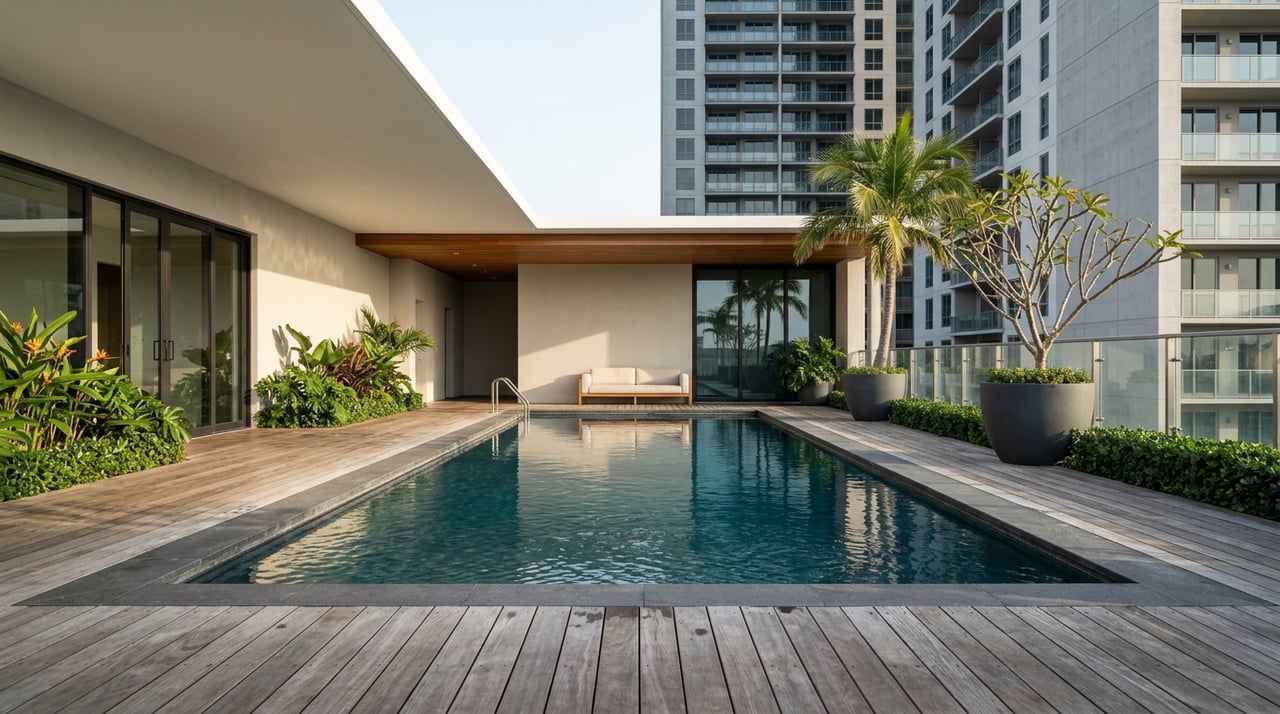
Some Kakaʻako buildings are designed around resort-style amenities and immediate access to retail and entertainment. For example, newer projects in Ward Village may include expansive amenity decks, ground-floor retail, and a direct connection to nearby shopping and dining.
Other buildings offer a more streamlined setup. Smaller condo communities in the area can include features like rooftop lanais, lounge areas, on-site laundry, and street-level commercial tenants, which may appeal if you want a lower-profile building in a still-central location.
That variety matters when you start your search. Your ideal fit may depend on whether you value extensive amenities, a more boutique feel, or a specific balance between privacy and convenience.
Walkability in Kakaʻako
Walkability is one of Kakaʻako’s strongest selling points. This is a place where many residents can combine daily needs and leisure activities without planning every trip around a long drive.
Ward Village describes its shops as a four-block pedestrian-friendly destination that takes about 10 minutes to walk end to end. The same area is about a mile from SALT at Kakaʻako, Ala Moana Center, Ala Moana Beach Park, and Downtown Honolulu, which gives you a sense of how connected this part of town can feel.
Kakaʻako’s broader master plan also supports that experience. It includes green spaces, walking paths, broad sidewalks, public art, and district-wide parking designed to make it easier for people to park once and move around on foot between blocks.
A practical note on getting around
Kakaʻako’s walkability is urban walkability. In other words, it is shaped by major streets, traffic corridors, and active redevelopment rather than a quiet neighborhood grid.
That said, new infrastructure continues to improve access. The Ala Moana Boulevard Pedestrian Bridge opened in May 2025 and provides a safer crossing between Kakaʻako and destinations like Ala Moana Beach Park and Kewalo Basin.
Public transportation is also part of the mix, and Ward Village notes that its shops are accessible by transit. Buyers should know, however, that the final 1.25 miles of Honolulu’s rail project, including planned stations at Kakaʻako and Ala Moana, were postponed to a future phase, so rail is best viewed as a future convenience rather than a current one.
Dining and Daily Convenience
One reason Kakaʻako stands out is how easily food and errands can become part of your routine. The dining scene spans multiple retail districts, and neighborhood directories show a broad mix of restaurants, services, and shops across SALT, Keawe Retail, The Collection, and other nearby blocks.
That mix supports the kind of lifestyle many condo buyers want. You can step out for coffee, meet friends for dinner, grab groceries, and handle basic errands without having to map out your whole day around multiple neighborhoods.
A full grocery option is part of the appeal too. Down to Earth’s Kakaʻako location on Keawe Street adds another practical anchor for everyday living, along with deli service and online ordering.
Weekend rituals and local flavor
Kakaʻako also has regular gathering spots that help the neighborhood feel active and lived-in. The Kakaʻako Farmers Market takes place every Saturday from 8 a.m. to 12 p.m. at 919 Ala Moana Boulevard, giving residents an easy weekend stop for food and browsing.
That kind of routine can shape how a neighborhood feels over time. Instead of using Kakaʻako only as a place to sleep between workdays, many residents enjoy it as an area where daily life can unfold close to home.
Parks, Beach Access, and Open Space
For an urban district, Kakaʻako offers meaningful access to outdoor space. HCDA says Kakaʻako Waterfront Park and Kakaʻako Makai Gateway Park together provide more than 36 acres of public parkland.
Those parks bring in some welcome breathing room. Kakaʻako Waterfront Park includes landscaped mounds, a pedestrian promenade, picnic areas, observation areas with ocean and mountain views, comfort stations, and an amphitheater, while the gateway park extends that waterfront recreation space.
Just beyond Kakaʻako, Ala Moana Beach Park adds another major lifestyle benefit. A state planning document describes it as a roughly 118-acre city park, and it is well known as a hub for recreation and major public events.
Beach access is part of the draw
Living in Kakaʻako can put you close to both waterfront parks and beach time. The new pedestrian bridge improves access across Ala Moana Boulevard, making it easier to reach Ala Moana Beach Park and Kewalo Basin from the neighborhood.
For buyers who picture morning walks, sunset views, or quick beach outings, that proximity matters. Hawaii Ocean Safety also lists daily lifeguard coverage at Ala Moana Beach and Magic Island Lagoon from 8:00 a.m. to 6:30 p.m., which is helpful to know if regular beach visits are part of your routine.
Art, Energy, and Community Events
Kakaʻako has a creative identity that sets it apart from many other parts of Honolulu. Much of the district’s colorful street imagery is associated with POW! WOW! Hawaiʻi, an event typically held each February that includes workshops, lectures, exhibitions, demonstrations, block parties, and artist Q&As.
That public art presence helps shape the neighborhood’s atmosphere year-round. It gives many blocks a visual identity that feels lively, contemporary, and distinctly local.
Recurring events add to that energy. According to Our Kakaʻako, the Honolulu Night Market is the district’s biggest annual event, bringing together more than 80 food and retail vendors, live entertainment, cultural activities, and free public admission.
Big events nearby
The broader area also hosts some of Honolulu’s best-known public gatherings. Ala Moana Beach Park is the site of annual events such as the Shinnyo Lantern Floating Hawaiʻi ceremony during Memorial Day weekend and Fourth of July fireworks.
If you enjoy living near activity, Kakaʻako offers plenty to look forward to throughout the year. If you prefer a quieter pace, it is worth paying attention to your building location and how close it sits to major event zones and busy retail blocks.
What Buyers Should Keep in Mind
Kakaʻako offers a lot, but it is important to go in with clear expectations. This is still an evolving urban district, and some blocks remain in transition with active infrastructure work and ongoing construction.
That continued growth is part of why the neighborhood feels dynamic, but it can also mean noise, traffic, shifting streetscapes, and a different day-to-day feel from one part of Kakaʻako to another. Your experience can vary quite a bit depending on the building and the surrounding block.
This is where local guidance matters. If you are comparing condo options in Kakaʻako, it helps to look beyond the building itself and think about how you want to live day to day.
Questions worth asking yourself
Before you buy in Kakaʻako, consider these points:
- Do you want a larger tower with extensive amenities or a smaller building with a more boutique feel?
- How important is walkability to restaurants, groceries, and parks?
- Are you comfortable with a neighborhood that is still actively developing?
- Do you want quicker access to Ala Moana, Downtown, or the waterfront?
- Would you use on-site amenities often, or do you care more about the surrounding district?
The right answer depends on your routine, budget, and long-term goals. For some buyers, Kakaʻako is the ideal fit because it combines convenience, condo living, and a strong sense of place in one of urban Honolulu’s most active districts.
If you are thinking about buying or selling in Kakaʻako, working with a team that understands Oahu’s condo micro-markets can help you weigh not just the property, but the block, the building, and the lifestyle. For personalized guidance, reach out to Hokua Hawaii Realty, LLC.
FAQs
What is it like living in Kakaʻako, Honolulu?
- Living in Kakaʻako generally means a condo-centered, mixed-use urban lifestyle with easy access to dining, retail, parks, public art, and the waterfront.
Is Kakaʻako a walkable neighborhood in Honolulu?
- Yes. Kakaʻako is known for strong walkability, especially around Ward Village and nearby retail districts, though it is an urban environment shaped by major roads, traffic, and ongoing development.
Are there many condo options in Kakaʻako?
- Yes. Kakaʻako includes a range of housing types from lower-rise residences to high-rise towers, with options that vary in size, amenities, and building style.
What dining and shopping options are in Kakaʻako?
- Kakaʻako offers a broad mix of restaurants, services, and retail across areas like SALT, Keawe Retail, The Collection, and Ward Village, plus the weekly Kakaʻako Farmers Market and a Down to Earth grocery store.
How close is Kakaʻako to parks and the beach?
- Kakaʻako is close to Kakaʻako Waterfront Park, Kakaʻako Makai Gateway Park, Kewalo Basin, and Ala Moana Beach Park, with the Ala Moana Boulevard Pedestrian Bridge improving access across the roadway.
Is Honolulu rail already open in Kakaʻako?
- No. The final rail segment that includes planned stations at Kakaʻako and Ala Moana has been postponed to a future phase, so buyers should view rail access as a future possibility rather than a current feature.